
BLOG
We are always on the hunt for Guest Bloggers!
If you’d like to join our amazing community, click the button below.

Why E-Commerce Landing Pages Lose Customers Before They Even See the Product
Discover why e-commerce landing pages lose customers and how clear messaging, trust signals, strong CTAs and pre-launch checks can improve conversions.

7 Best AI Website Builders for Agencies and Freelancers
Discover the 7 best AI website builders for agencies and freelancers in 2026, comparing features, flexibility, scalability and the best platforms for professional projects.

How AI Image Editing Is Changing Modern Web Design
AI image editing is transforming modern web design by making images more flexible, responsive and consistent. Discover how AI tools help designers adapt, optimize and enhance visuals.
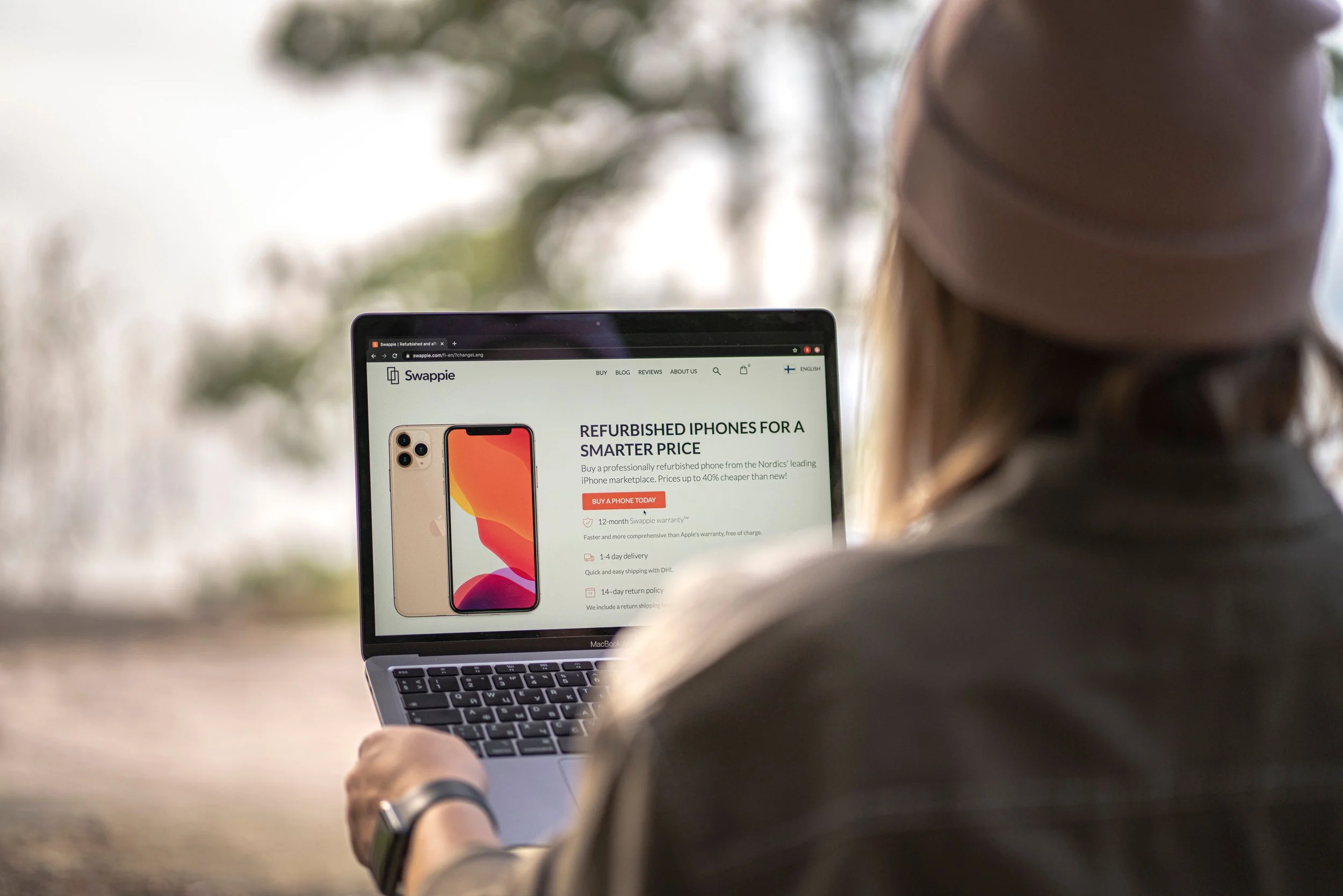
How to Prepare Your Website for Generative AI Search Visibility
Prepare your website for AI search visibility with practical GEO strategies, from structured content and schema markup to conversational SEO and digital PR.

How to Build a Personal Brand Website That Clients Actually Trust
Build a personal brand website that clients trust with expert positioning, authentic storytelling, testimonials, case studies, SEO, professional design, and strong credibility signals.

How to Turn Website Visitors Into Repeat Clients
Learn how to turn website visitors into loyal clients with practical design tweaks, simple email follow-ups, and the right tools for small businesses.

How SaaS Teams Can Build an AI-Ready Website Content Workflow
Learn how SaaS teams can use AI to create consistent website copy, visuals and supporting content through a structured, human-reviewed workflow.

How Monitoring Website Performance Boosts Business Success
Learn how website performance monitoring can prevent downtime, improve site speed, protect conversions, and strengthen business resilience with proactive insights.

How Small Businesses Can Build a Professional Website on a Limited Budget
Meta description: Learn how small businesses can build a professional website on a limited budget using affordable tools, smart design, and cost-effective hosting.

Your Website's Conversion Rate Is a Range, Not a Number
Your website's conversion rate isn't as precise as it looks. Learn why small traffic creates uncertainty and how to interpret analytics more accurately.

How to Design a Professional Website That Wins More Customers
Learn how to design a professional website that wins more customers with clear structure, compelling content, SEO, mobile optimisation, and conversion-focused design.

How Your Website and CRM Should Work Together
Learn how to connect your website and CRM so leads are captured, tracked and followed up automatically. Stop losing context that makes sales follow-up count.

8 Web Design Practices That Make Brands Look Premium
Discover 8 web design practices that make brands look premium through stronger typography, spacing, imagery, structure and visual consistency.

Website Builder vs Custom Development: What's Worth It
Compare website builders and custom development to find the right solution for your business. Explore costs, flexibility, scalability, SEO, and long-term value.

Bringing FinOps Telemetry Into the WordPress Ecosystem
Learn how bringing FinOps telemetry into the WordPress ecosystem with OpenTelemetry and FOCUS standards optimizes enterprise cloud infrastructure costs.

Is Headless Shopify Worth It? A Practical Guide for Growing Ecommerce Brands
Find out if headless Shopify is worth it for your ecommerce brand, with insights on performance, costs, scalability, and when it makes business sense.

Best Website Builder for Small Businesses in 2026
Discover the best website builders for small businesses in 2026. Compare features, pricing, and tools to find the right platform for your needs.

Why Training Business Websites Need More Than Good Design to Convert
Training business websites need more than good design—learn how connected systems for booking, payments, and admin drive real conversions.
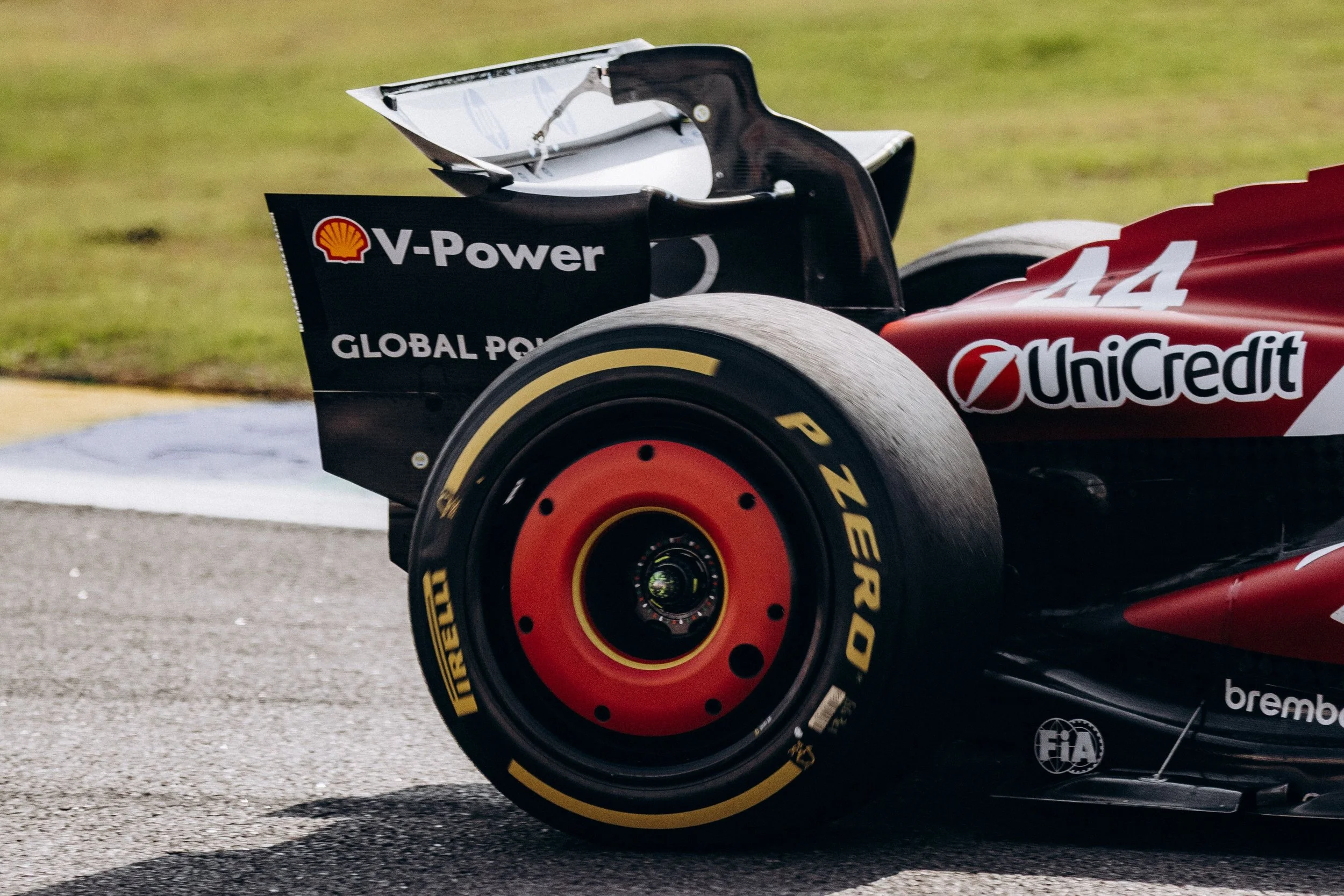
How Hospitality Businesses in London Should Prepare a Year Ahead for Major Events Like Wimbledon, F1 and Euro 2028
Discover why hospitality and entertainment businesses in London must plan ahead for major events like Wimbledon, Formula 1 and Euro 2028. Learn how integrated booking systems and Squarespace websites can improve conversions, streamline reservations and boost revenue.

Digital Agencies and Web Designers Rethinking Digital Systems to Retain Clients
Discover how digital agencies are rethinking hosting, infrastructure, and systems to improve website performance, security, and client retention.