
Why the Service "Beauty Retouching" Is Essential for Fashion and Editorial Photography
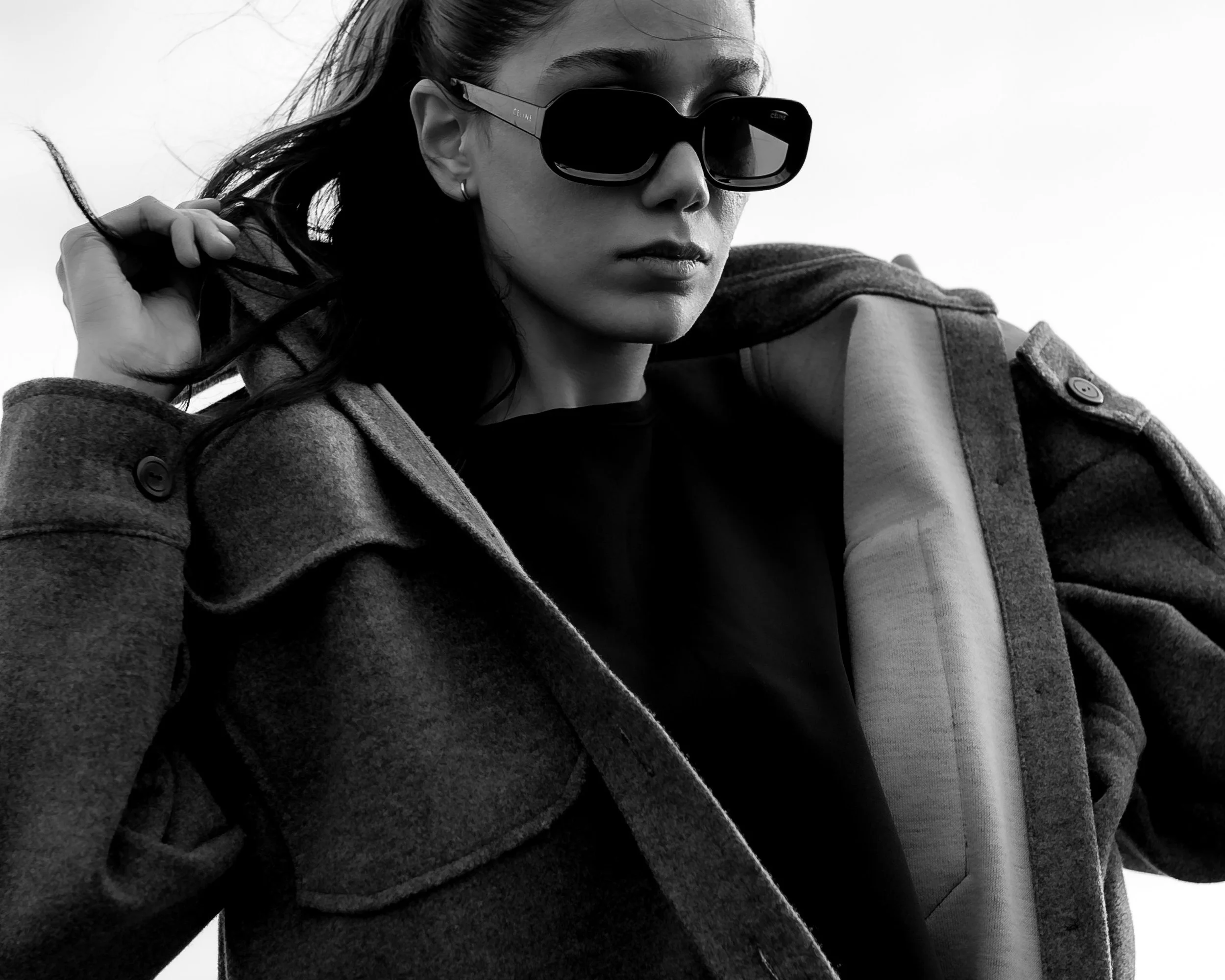
There's a moment every photographer knows - reviewing a shoot that went exceptionally well. The lighting landed exactly where you wanted it, the model nailed every expression, and the wardrobe team pulled together something genuinely compelling. Then you zoom in at 100% on the hero frame. A stray hair cuts across the jawline. The fabric pulls oddly at the shoulder seam. One side of the face reads slightly cooler under the key light than the other. That shot - technically brilliant - isn't ready for a double-page spread. Not yet.
Raw files, regardless of how controlled the shoot environment was, carry distractions that become impossible to overlook the moment an image is blown up to print scale or presented in high definition against a brand's flagship visual content.
A service like Beauty Retouching, which has built its workflow specifically around the demands of fashion and editorial production, exists to close that gap between what was captured and what ultimately needs to be delivered, and to do so while preserving the authenticity that makes strong photography compelling in the first place. The best retouching doesn't manufacture perfection. It removes interference.
The Gap Between a Great Shot and a Publishable Image
Fashion photography operates at a resolution that forgives nothing. What reads as clean and polished on a laptop screen becomes something else entirely when printed across a spread or displayed at billboard scale.
Dust on a product surface.
Uneven skin tones caused by mixed lighting setups.
A garment that wrinkled slightly during movement.
Background gradients that a camera sensor records with clinical accuracy, but the human eye would have glossed over entirely on set.
These aren't failures of craft - they're the natural consequence of capturing a moment in an imperfect physical environment.
Retouching at the editorial level addresses this with a methodical eye. Color inconsistencies are corrected so the image reads the way the photographer intended. Background distractions are cleaned up without introducing artificial-looking voids that break the spatial logic of the frame. Clothing is refined - not restructured, but treated with care so that a designer's work reads as intended rather than how movement happened to shape it mid-shot.
The guiding principle is straightforward: every element within the frame should earn its presence. Anything competing with the subject without contributing to the mood or message is a problem worth solving in post.
Precision Without Sacrificing Authenticity
There's a persistent misconception that retouching is synonymous with over-editing - the hyper-smoothed skin and almost weightless features that plagued fashion imagery heavily through the 2000s and early 2010s. Industry standards have shifted considerably since then. What publications and brands expect now is imagery that feels elevated without feeling assembled.
Achieving that balance is technically demanding. Frequency separation, for instance, allows retouchers to work on skin tone independently from skin texture - correcting uneven pigmentation and blotchiness caused by lighting conditions without flattening the natural surface detail that makes a face look like a face rather than a rendered object. Dodge and burn, applied with restraint and intention, sculpts the existing light in a frame rather than replacing it, bringing out dimensionality without making the result look digitally constructed.
The same level of care applies to fabric. Textile is among the most technically challenging elements in post-production because it has physical structure: threads, weave patterns, and the way light moves differently across every fold. Heavy-handed editing destroys fabric. Careful, targeted work preserves the material's character while removing the incidental pulls and wrinkles that weren't part of the creative vision. For fashion clients, particularly, where the garment itself is often the entire point of the image, this level of detail is non-negotiable.
Consistency Across a Series: Why It Matters More Than People Realize
One powerful picture can put a stop to a person in his/her scroll. Fashion and editorial photography can seldom be an independent frame. An annual campaign could have forty images of products. There may be six to eight pages in a magazine editorial. A brand lookbook must be a visual system, and not a randomly chosen group of photographs that just happen to have a similar subject.
Where retouching is done carelessly - where the skin of one frame to another, the tones of a series, the sharpness of one image to another, vary - then the work which is done has a ruinous effect even on technically perfect single pictures. The campaign no longer has a sense of authority. The editorial is put together instead of being art-directed.
It is the sameness in post-production that will turn a group of good images into a visual identity that makes sense. Similarity of tone, unity of highlights and shadows, and controlled use of talent in the various frames assure the work reads as a purpose, irrespective of the number of images in the set. That is among the main reasons fashion teams collaborate with retouching studios instead of sending edits to various editors, since that consistency at scale takes technical expertise, as well as a consistent and structured operation.
Workflow Built for the Realities of Production
Editorial teams and fashion brands don't operate with flexible post-production windows. Publication deadlines are fixed. Campaigns launch on dates locked in months in advance. Delays in post don't just create internal pressure - they create real problems for distribution schedules, advertising commitments, and client relationships that are difficult to repair.
The constraints are structurally considered by professional retouching services that are tailored to this industry. The level of tiers of service allows the teams to adjust the intensity of work to the budget and the intent of the particular project. Friction is minimized in efficient submission processes. Professional retouching can be a realistic goal, as opposed to an aspirational one, when timelines are short and turnaround times are sufficiently quick to fit. The capability of going through revision rounds without losing much time keeps the projects on track without compromising quality.
Fashion photography has never been solitary - constructed between photographers, stylists, art directors, and experts throughout the line of production. One node that is critical in that network is retouching. It does not recreate what occurred in the set and replace the artistic choices in the set. It serves as a safeguard, keeping all the work created in the studio intact on its way to final publication with all intentions fully intact.
