
What Separates a Memorable Corporate Event From One Nobody Talks About
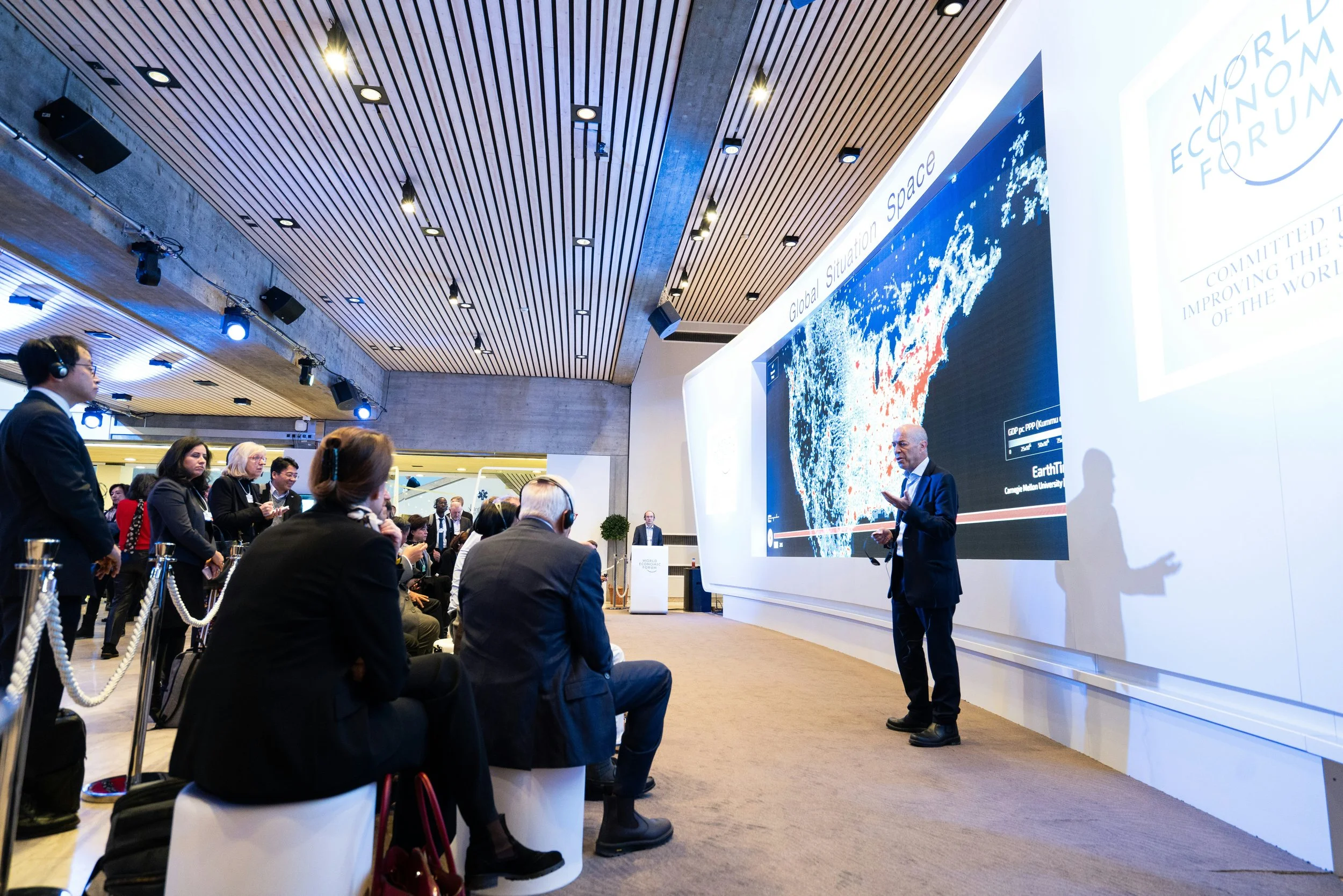
Think back to the last corporate event you attended. Can you recall the agenda? The breakout session topics? The name of the second speaker?
Most people can't. Not because the content was poor, but because nothing created the kind of impression that sticks. Events that get planned for months often leave almost no trace. The venue was fine. The catering was fine. The day passed without friction - and without impact.
The events people still reference months later are different. Not always bigger. Not always more expensive. Just designed around something that most event planners never explicitly think about: the single moment that the whole room experiences together.
Why Most Events Disappear from Memory
There's a well-established principle in behavioral psychology, developed by Daniel Kahneman, that describes how people actually form memories of experiences. We don't remember events as an average of how they went. We remember them by their peak - the most emotionally intense moment - and by how they ended. Everything in between compresses into background noise.
This has significant implications for corporate event design. An eight-hour conference filled with solid presentations will be remembered as whatever moment created the strongest shared reaction, and whatever impression the closing act left behind. If neither of those moments is deliberately engineered, the event defaults to forgettable regardless of the quality of everything else.
Research from Skift Meetings consistently finds that attendee satisfaction scores are disproportionately driven by standout moments rather than average experience quality. The events that score highest on post-event surveys are not the ones that avoided low points - they're the ones that created high points strong enough to anchor the memory of the entire day.
The Moment Where the Room Becomes One
The events people still talk about months later almost always have one thing in common: a moment where the audience stopped being spectators and became participants. Passive engagement - sitting and receiving information - leaves much lighter impressions than active engagement, where something unexpected or involving pulls people into the experience rather than presenting it to them.
This is why the choice of keynote speaker carries so much weight. A speaker like Christophe Fox, a corporate keynote speaker who combines mentalism with motivational content, builds that shared experience directly into the presentation - leaving the room energized rather than just informed. The difference is not stylistic. It's structural. When the audience is drawn into what's happening on stage, the memory formed is collective rather than individual, and collective memories are far more durable. You don't just remember what you felt - you remember that everyone around you felt it too.
Most event programmes are structured to inform. The best ones are structured to create a shared emotional experience, and the keynote is where that either happens or it doesn't.
The Role of Presentation in Shaping Expectation
The experience of an event doesn't begin when people walk through the door. It begins when they receive the invitation, visit the event page, or look up the speakers they're about to see.
Every touchpoint before the day shapes what attendees expect to feel when they arrive. An event with a beautifully designed digital presence - a polished registration page, a speaker profile that communicates genuine calibre - primes people to lean in before anything has started. Conversely, a poorly presented event signals low effort before a single session has run. In the same way thatpremium website design shapes perception of a brand before a visitor has read a word of copy, event collateral sets the frame through which everything else will be evaluated.
Attendees arrive at well-presented events already predisposed to engage. That predisposition is worth more than most event planners realise - it makes the peak moment land harder when it comes.
Getting the Right People in the Room
None of this matters if the audience isn't right. The impact of a shared moment scales with the alignment of the room. A group of people who have meaningful professional context in common will experience a collective peak very differently from a mixed audience without shared stakes in the outcome.
This is where event design and relationship-building overlap. Knowing how to find and connect with the decision makers who should be in the room - and doing the work to get them there - is as much a part of creating a memorable event as the programme itself. The curation of the audience shapes the chemistry of the room, and that chemistry determines how much energy a great speaker or a designed moment can actually generate.
The Lasting Impression
Everything discussed so far comes back to a single discipline: intentionality. Memorable events are not the product of good luck or generous budgets. They are the product of someone asking, early in the planning process, what this room should feel like and what moment will make people remember it.
The follow-through matters too. An event that closes strongly and follows up thoughtfully - sharing ideas from the day, keeping the conversation alive - extends its impact well beyond the room. As the principle holds across personal brand and digital presence, the impression you leave is shaped as much by how you close as by how you begin.
Design the peak. Nail the ending. The rest will take care of itself.
