
From Clicks to Concepts: Using User Behavior Analytics to Inform Logo Creation
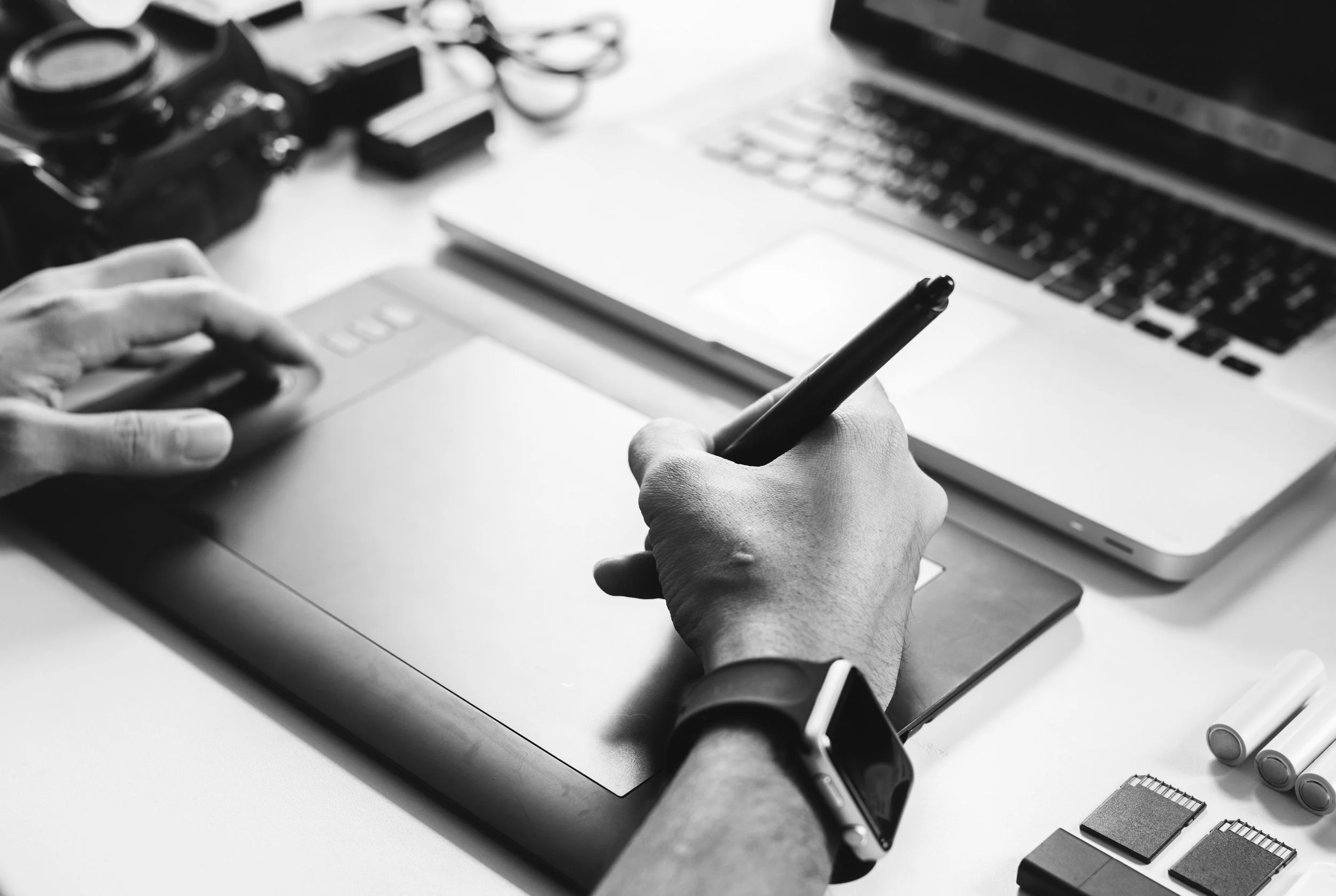
Think about the last time you created a logo. What drove your design? Was it your own creativity? Was it specific brand guidelines? Was it a trend you saw all the time?
Those influences can produce effective designs. But what if your logos could do more? They can when they appeal directly to the people they are designed for: consumers.
This involves analyzing behavioral data to determine which aspects of logos grab attention and influence user engagement. We call this user behavior analytics.
User behavior analytics can show you that users consistently click on bold typography, ignore muted icons, or linger on certain color combinations.
This provides interaction data that guides decisions about shape, color, and structure.
How User Behavior Analytics Guide the Logo Creation Process
A well-crafted logo shapes how audiences perceive a brand, fostering recognition and trust. While it is a visual element, it also acts as a symbol of identity and reliability, much like a market research tool or even an AI App Builder that helps define and validate a brand’s direction. It clarifies the brand’s promise and remains a consistent presence across touchpoints, reinforcing recognition and assuring customers of a dependable travel experience.
But what makes a logo the logo your audience loves? Start with user behavior analytics.
You can gather data on clicks, engagement patterns, and user demographics to generate meaningful user insights for logo design.
User behavior analytics can offer valuable insights into customer preferences and expectations. You can analyze which styles, materials, and page elements users interact with most.
So, if users consistently engage more with sleek, modern carport designs, a logo with clean lines and contemporary typography can better align with customer perceptions, enhancing brand recognition and appeal.
How to Tap into User Behaviour Analytics to Create Show-Stopping Logos
Here’s how to harness user behaviour analytics to design a memorable logo.
Gather user behaviour data
Not so fast. Don’t start creating just yet. Collect data to understand how users interact with your brand. Use:
Heat maps: These reveal where users click, scroll, and spend their time on your website. Analyzing clickstream data can also show the paths users follow before engaging with visual elements.
Surveys and feedback forms: These allow you to directly ask users about their preferences.
Social media analytics: Provide insights into what types of visuals or posts generate the most engagement.
Centralize this information and look for key metrics. Consider click rates, engagement levels, or bounce rates. As a result, you can uncover user behaviours that could offer design inspiration.
Pro Tip: Use Google Analytics or Hotjar to gather heatmap data. Remember to review qualitative feedback.
Analyze user preferences
You have your data. Let’s evaluate it.
Look for patterns and trends. Which colors, font styles, or layouts tend to capture user attention?
User behaviour analytics can extend beyond general preferences and uncover deeper emotional associations.
They can also reveal patterns that guide branding decisions, including logo creation. For example, a fragrance brand focused on amber perfume might examine how visitors interact with scent descriptions, colour palettes, or product imagery.
If analytics, especially those powered by enterprise AI, indicate that users engage more with visuals evoking warmth, luxury, and depth, designers can incorporate rich amber tones, refined typography, or resin-inspired shapes into the logo. By translating interaction data into design cues, brands can build visual identities that truly reflect how users perceive the product experience.
These insights help move logo design from intuition to evidence-based decision-making.
Identify engagement patterns
Do particular graphics or icons hold your audience’s attention? What types of visuals make people click?
For example, imagine your audience spends a lot of time engaging with videos or content featuring bold visuals. Consider incorporating dynamic colours or eye-catching shapes into your logo.
Leverage demographic insights
To expand on demographic information, consider how audience interests influence visual identity. For instance, if behavioural data shows that users frequently explore content related to historical tourism or military heritage, those signals can shape design decisions.
Let's look at it this way. If user data shows that your audience is highly interested in a Band of Brothers tour or historic preservation, your logo could incorporate heritage-inspired textures, military-style typography, or classic emblems that resonate with that sense of tradition.
These types of signals help translate audience interests into visual storytelling.
Consider breaking your audience down by:
Age: Younger audiences might want vibrant, playful aesthetics, while older groups might prefer timeless or classic styles.
Location: Cultural context matters. So, tailor your design accordingly if your audience spans multiple regions.
Interests: Identify hobbies or values your audience connects with to create a logo that aligns with their passions.
Develop and test logo concepts
So, you’ve compiled insights from your data.
Now, you can get creative. Take what you’ve learned and start drafting different logo concepts. This will give you a good starting point.
Here are some ways to test your designs.
A/B testing: Show different logo options on your website or email campaigns. You’ll learn which one gets more clicks or positive feedback.
Social media polls: Use platforms like Instagram Stories or X polls to ask your followers which logos they prefer.
Focus groups: Gather a few members of your target audience and ask them to give feedback on your designs.
Refine your design
After testing your logo concepts, review the feedback and performance data. Use this information to refine your logo. It should appeal to your audience, strengthen the user experience, and remain consistent with your brand identity.
Keep tweaking until it strikes that balance.
Have you settled on a final design? Test its applications on different channels (e.g., websites, packaging, social media).
A logo doesn't just sit on a homepage. It also shows up in emails, calendar notifications, mobile apps, and other digital environments, each with its own display limitations.
Companies that rely on website and email hosting for businesses, for example, need a logo that remains clear in webmail interfaces and meeting invitations. When analytics show that many users first encounter a brand through email rather than a website, designers must prioritize contrast, small-size readability, and clarity without surrounding context.
For that reason, you may need to use different sizes and variations to ensure the logo renders clearly across each platform.
Monitor performance post-launch
Congratulations! You’ve officially launched your data-driven logo design. Now, you need to monitor how users respond to it over time.
Since the redesign, have they engaged more with your brand? Have you noticed an increase in positive feedback or recognition?
Perform continuous monitoring. If necessary, tweak your logo to ensure it evolves alongside your audience’s changing preferences.
Aligning Logo Design with SEO Performance
Alongside user behavior analytics, search performance data also plays a key role in shaping how your brand is discovered and remembered.
A logo may not directly impact rankings, but it strongly influences click-through rates, brand recall, and trust signals across search results and digital platforms. By aligning your visual identity with insights from enterprise SEO services, businesses can ensure their branding supports higher visibility, consistent recognition, and improved user engagement.
When users repeatedly see a clear and appealing logo in search listings, ads, and content, it reinforces credibility and encourages interaction, ultimately strengthening both brand presence and search performance.
Data-Driven Logo Design is the Future
There’s no secret to creating an effective logo design. You just need to know your audience’s preferences. And user behavior analytics can uncover data-driven insights about what resonates with your audience.
As you step into your next design project, remember that data is there to guide you. Your creativity is what brings it to life.
Now, it’s your turn. Using the tools and strategies we’ve explored, start crafting a logo your audience will never forget.
GUEST BLOGGER

BRITNEY STEELE
Born and raised in Atlanta, Britney is a freelance writer with 5+ years of experience. She has written for a variety of industries, including marketing, technology, business, finance, healthcare, wellness, and fitness. If she’s not spending her time chasing after three little humans and two four-legged friends, you can almost always find her glued to a book or awesome TV series.
