From First Impression to First Sale: What Ecommerce Websites Need to Get Right
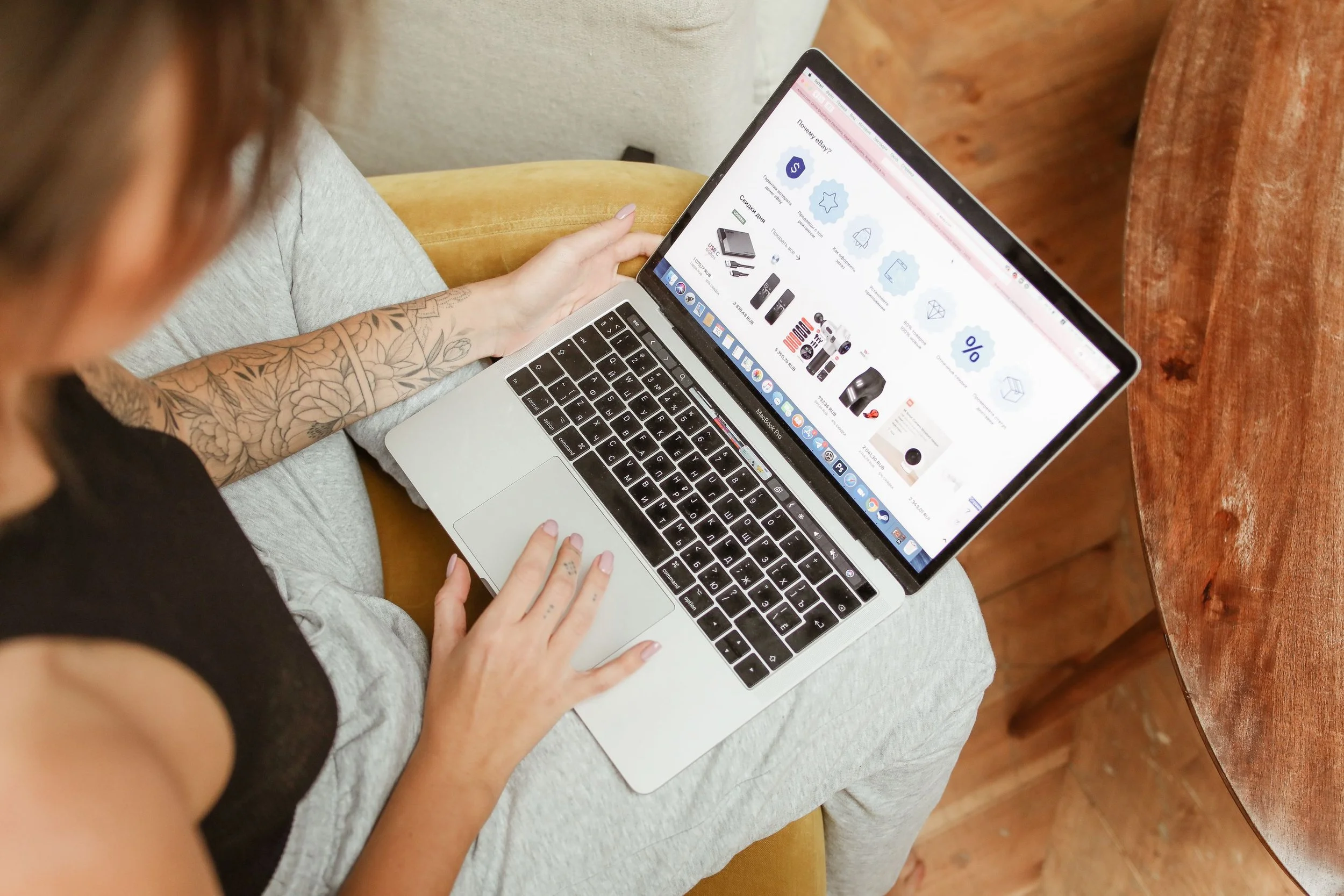
How to turn a quick first impression into a first sale? It comes down to getting three things to work together: how the site looks, how it works, and how safe and trustworthy it feels.
When someone lands on your store, you have only a moment to make them want to stay. After that, each step should lead them clearly to a purchase. That means simple design, clear messages, and strong security and transparency.
For platforms like WooCommerce, getting these basics right matters for steady WooCommerce organic growth and long-term results.
Moving someone from “just browsing” to “I’m buying this” is a careful process. It’s about creating a store that feels professional, reliable, and focused on customer satisfaction.
When you understand the key points where visitors make decisions you can lower your bounce rate and grow a real customer base.
Key Elements That Shape a Visitor’s First Impression
The first moments on an e-commerce site are like a quick quality check. Visitors judge whether the store looks reliable, easy, and worth their attention. If you ignore even one important element, you can create friction, reduce trust, and stop the shopper from moving closer to a purchase.
From the page layout to how fast the content loads, the details add up. These pieces should work together to create a clear, welcoming store that makes people want to explore.
As this breakdown of how site performance impacts dropshipping conversions shows, even small delays in load time can undo all that first-impression work before a shopper sees what you're selling.
Site Design: Clean, Modern, and User-Friendly Layouts
94% of first impressions are design-related. That shows how strongly your site’s look affects visitors. A clean, modern, easy-to-use layout does more than look good-it shows professionalism and attention to detail.
A messy, outdated design can push people away. Studies show 38% of users stop engaging with a website if the content or layout is unattractive. A simple layout with good spacing, clear fonts, and consistent colors helps people understand the site quickly and makes browsing feel easy.
How Page Load Speed Influences Buyer Decisions
People expect speed. Visitors want a site to load and be usable within about two seconds. Slower than that can hurt your results. Google data shows 53% of mobile visits are abandoned if a page takes more than three seconds to load.
Slow sites also reduce performance even when users stay. A one-second delay can reduce page views by 11% and conversions by 7%. For e-commerce, it’s even worse: 79% of shoppers who hit slow load times or other performance problems won’t return.
To improve speed, common fixes include optimizing images and using browser caching. Faster sites lead to happier customers, lower bounce rates, and more sales.
Why Mobile Responsiveness Impacts Customer Retention
More than half of internet traffic now comes from mobile devices, so responsive design is required. Most visitors will view your store on a smaller screen, and the site needs to adapt smoothly to different devices. This is what responsive design does, and it’s also Google’s recommended approach.
If your site isn’t mobile-friendly, people have to pinch, zoom, and scroll too much. That quickly becomes annoying and increases bounce rates. It can also hurt your search rankings, which makes it harder for new customers to find you. A mobile-optimized site helps both first visits and repeat visits.
Clear Navigation: How Structure Guides Shoppers
Think about a physical store with no signs, messy aisles, and a hidden checkout. Most people would leave. The same thing happens online. Clear navigation guides shoppers through your categories and products so they can find what they want without stress. Simple navigation is also a sign of a professional website.
A clear menu, a strong search bar, and useful filters give shoppers control. This reduces frustration and helps people move quickly to the right product. When navigation feels easy, shoppers tend to stay longer, view more products, and buy more often.
Role of High-Quality Product Images and Videos
Customers can’t pick up your products, so images and videos do that job. Research shows 67% of consumers say image quality is “very important” when buying online. Blurry or poorly lit photos can damage trust and make products look low value.
Clear, detailed visuals help customers understand what they’re buying. Useful options include multiple angles, lifestyle photos, zoom features, 360-degree views, and short videos. Better visuals reduce doubt and make it easier for shoppers to decide.
Product Copy That Informs and Sells
Images bring people in, but product text often closes the sale. Good content is also a key part of website credibility. For first impressions, your homepage text matters a lot. It should quickly explain who you are, what you sell, and why it's useful.
For product pages, descriptions should answer questions and explain benefits. Avoid vague, generic text. Point out key features, real use cases, and what makes the product different. Also check your writing carefully for typos and grammar mistakes. Small errors can make a store feel untrustworthy, even if the products are great — for a deeper look at getting this right page by page, this guide on website copy tips for small businesses walks through how to keep your homepage, product pages, and everything in between sounding consistent and credible.
Final Thoughts: Setting Up Your Store for Lasting Success Beyond the First Sale
Getting your first sale is exciting and a big milestone. But it’s also just the start. Long-term success comes from keeping customers happy, turning first-time buyers into repeat customers, and building real loyalty.
That means improving your store based on feedback and data, supporting customers well after purchase, and staying in touch with helpful communication and offers. You can also build a community around your brand by engaging with customers and listening to what they want over time.
Online retail changes quickly, so you need to keep adapting and trying new ideas so your store can keep growing long after that first sale.