2026 Video Content Strategy: How Small Businesses Can Create Engaging Content Without a Hollywood Budge
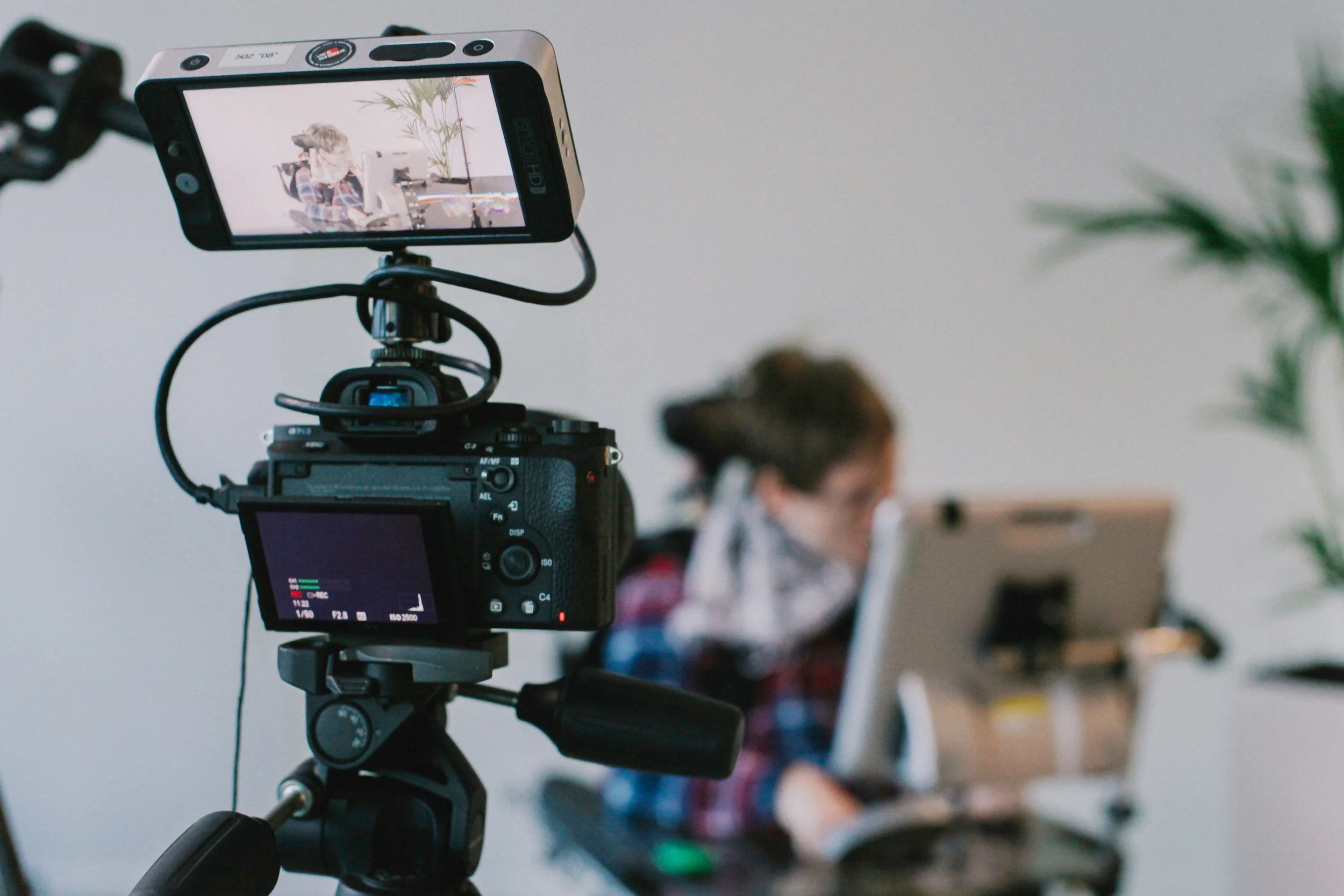
Nobody trusts a logo anymore. Trust now comes from movement, from a voice, from a face on screen proving there's an actual person behind the business. That's basically why video ended up deciding so many purchase decisions in the first place. The video marketing stats make the case better than any opinion could: video demand is up since people retain something like 95% of a message delivered through video, versus 10% through plain text. And a sizable chunk of consumers admit they bought something right after watching a brand's video. So, is it just a trend? Not quite. More like the new normal everyone's already operating in, whether they've noticed or not.
Here's the problem, though. Mention "video strategy" to most small business owners and watch them picture lighting rigs, a production crew, a budget that simply isn't there. That image is outdated. What follows is a fairly practical look at building a working digital video strategy without spending money that doesn't exist.
Matching Video to Where the Buyer Actually Is
Not every video does the same job. Many methods fail before they even begin because they are treated interchangeably. Solid video content strategies align particular kinds of videos with specific places in the funnel, and the difference is more important than people realize.
Top of funnel content is short, built to stop a scroll: behind-the-scenes clips, quick founder-on-camera moments, that sort of thing. The job here is just to get noticed. Nothing more dramatic than that.
Bottom of funnel content does the heavier lifting — product demos, testimonials, side-by-side comparisons. These are what actually nudge someone from curious to paying customer. A good brand video usually sits somewhere between the two, building some emotional pull while still gesturing toward what's actually being sold.
The middle stage gets skipped constantly. Businesses pour effort into flashy top-of-funnel content, then wonder why nobody's converting. Conversion videos rarely go viral — that's just how it works, and it's fine. They were never meant to.
Making Real Content With a Real Budget
This part tends to surprise people: a smartphone, decent natural light, and a free editing app cover about 80% of what's needed. The remaining 20% is technique, not gear.
A few things genuinely make a difference for anyone trying to create videos for your business on a budget. Light beats camera quality almost every time — a cheap ring light, or honestly just filming near a window, will outperform an expensive camera shot in bad lighting. Audio is very important; a $20 clip-on microphone improves perceived quality more than any camera improvement ever would. And batching is more useful than expected: making five films in one session, with the same wardrobe and setting, beats scrambling for material every week.
Editing apps have gotten noticeably better, too. Plenty of free or cheap options now include auto-captions, background removal, even basic AI animation tools for adding motion graphics without needing a design background. None of it demands a studio. Mostly it demands a plan and maybe one free Saturday a month — which, fair, is still asking a lot sometimes.
When Something Inevitably Goes Sideways
Phones get held wrong. A clip shot vertically for TikTok gets reused on the website and suddenly looks broken — this happens constantly. Or footage comes in sideways because somebody forgot to lock screen rotation mid-shoot. It's a small annoyance but it derails a publishing schedule fast. For exactly this kind of moment, an online video flipper from Movavi does the fix in under a minute — no install, no re-shoot, no lost afternoon chasing a problem that shouldn't have taken this long to solve.
Watching the Numbers That Actually Mean Something
View counts feel satisfying. They also don't say much. A video pulling 50,000 views with zero engagement is, frankly, weaker than one sitting at 2,000 views with an active comment section underneath it. Because the second one is doing real work, and the first one might just be noise.
The video KPIs worth tracking: watch-through rate (are people finishing it, or bailing three seconds in?), engagement — comments, shares, and especially saves, since a save means someone plans to come back to it — and click-through rate on whatever call to action is attached. Anyone serious about using a video strategy to actually move revenue needs conversion tracking too. Tagged links, UTM parameters, videos tied directly to sign-ups or sales. Skipping this step is skipping the whole point.
That's really the line between low budget video production that just sits online looking nice and a setup actually built to use video to increase sales. Vanity numbers are easy to chase and easy to misread: they feel like progress even when they aren't. Conversion-focused metrics take more setup, sure, but they tell a business whether that modest video budget is earning its keep or just being spent.
Where This Leaves Things
None of this needs a production company. Doesn't need a five-figure budget either. What it needs is consistency, a willingness to be on camera even with imperfect lighting, and a measurement habit that looks past the surface numbers. Video builds trust faster than almost anything else right now, and the small businesses pulling ahead in 2026 probably aren't the ones with the deepest pockets. They're the ones treating video like an actual system, fixing the small technical hiccups as they come up, instead of letting one sideways clip stall the whole plan.