The Difference Between a Polished Brand Video and One That Actually Sells
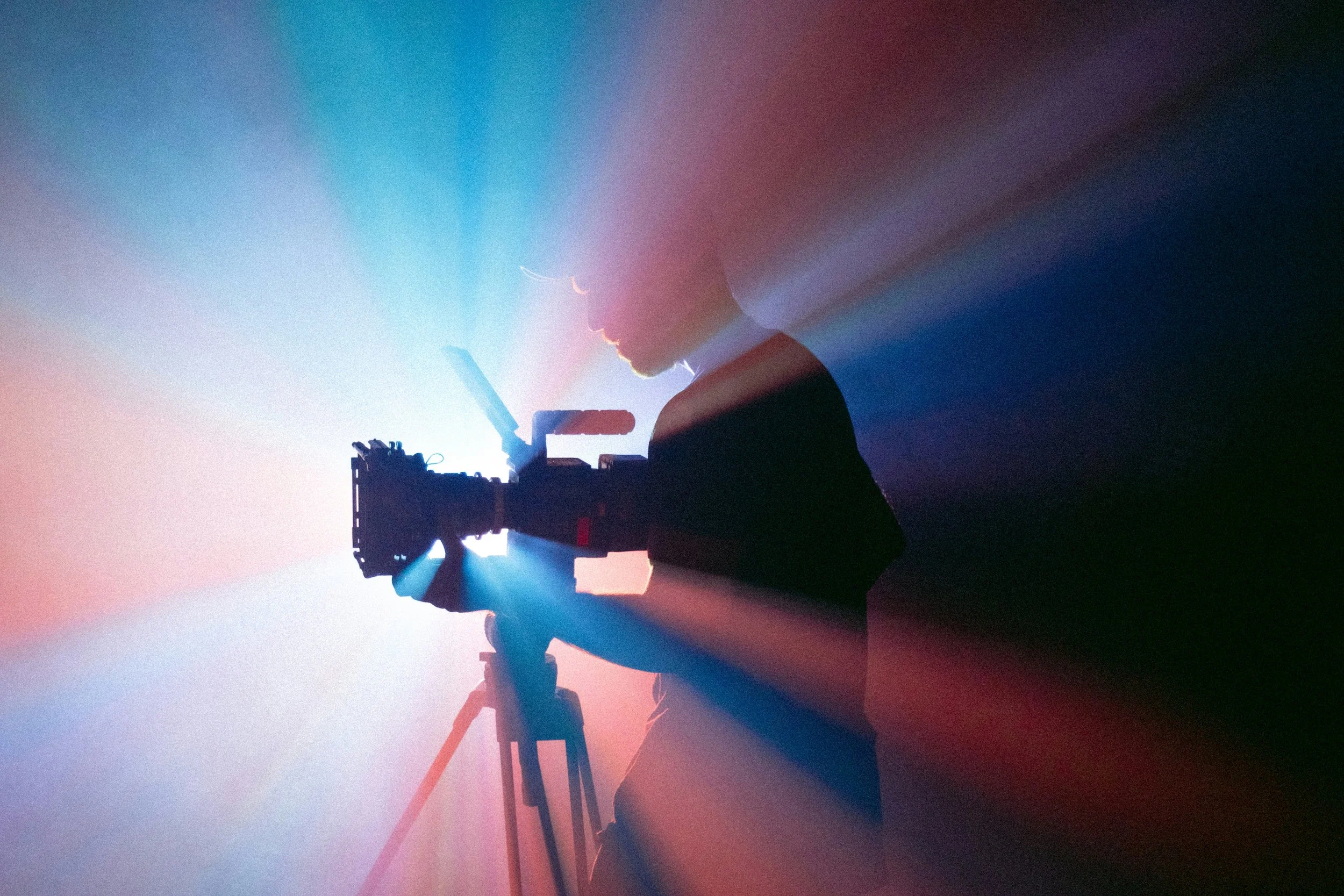
A brand video can look expensive and still accomplish nothing. Cinematic color grading, licensed music, drone shots over the city — the production checklist gets longer every year, and the results often feel impressive in the boardroom and invisible in the feed.
The rise of short-form platforms has changed what video is for. A clip is no longer a company's formal introduction; it is one of dozens of small, frequent conversations with an audience that scrolls past anything that pauses. In that environment, the practical qualities of a video matter more than its polish.
The most effective brand videos are rarely the most beautiful ones. They are the ones built around a single clear idea, delivered before the viewer's thumb moves on. The difference usually comes down to decisions that have nothing to do with budget.
Attention Is Decided in the First Two Seconds
Viewers do not commit to watching a video; they commit to not leaving yet, two seconds at a time.
A polished opening title card is often the most expensive way to lose someone. Effective clips open inside the action: the product already in hand, the question already asked, the before already turning into the after. Whatever the brand wants to say can wait until the viewer has a reason to stay.
Clarity Outperforms Production Value
A video that shows one thing clearly will outsell a video that shows five things beautifully.
This is uncomfortable for teams who equate effort with effect. But audiences reward comprehension, not labor. A plain clip with an obvious promise — this tool saves you an evening, this fabric survives the dryer — travels further than a montage that needs a second viewing to decode.
Iteration Beats Perfection
The least discussed advantage in modern video marketing is the number of attempts a team can afford.
One perfect clip is a bet; twenty rough variants are a measurement. This is where generated video has quietly changed the work. Tools built on current text-to-video models, such as seedance 2.0 mini render a low-resolution draft from a written description for pocket change, which means a team can test twenty openings before producing one final at full quality. The craft moves from execution to selection, and selection is where the selling happens.
The Format Must Match the Platform
A widescreen film cropped into a vertical feed announces that it was made for somewhere else. Platform-native framing, captions for silent viewing, and lengths that respect each feed's rhythm do more for performance than any upgrade in camera equipment. The audience never names these details. They simply stay, or they don't.
The Best Brand Videos Feel Effortless
When a clip works, nobody compliments the production. They ask where to buy the thing.
That is the quiet measure worth designing for. A video that actually sells tends to look almost casual: one idea, an immediate opening, a format that belongs to the platform, and behind it, a pile of discarded drafts that taught the team which version deserved to exist.