Why Custom Magnets Still Earn a Place in Small Business Branding
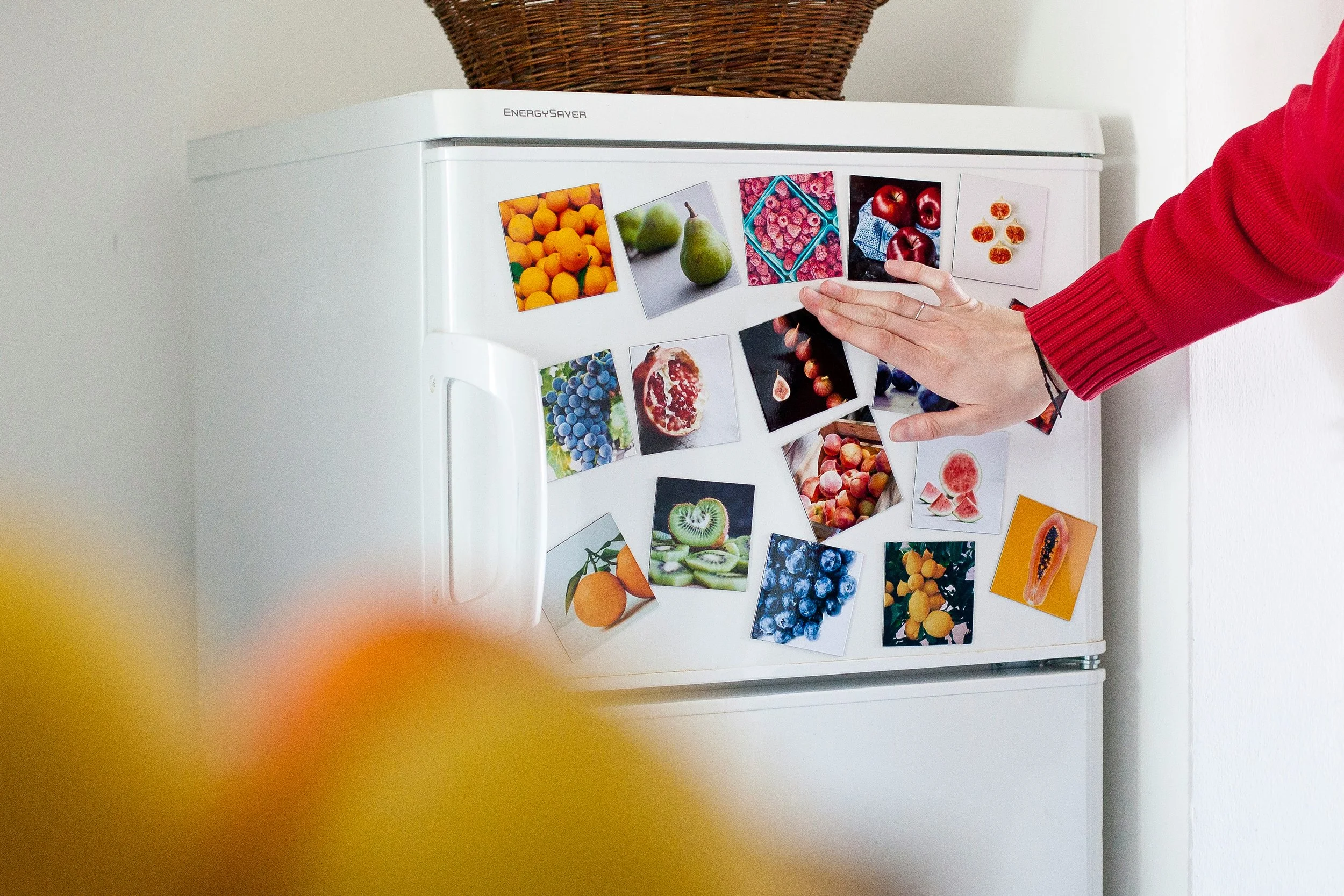
Most small business owners pour energy into their website. The fonts, the colors, the homepage hero image. Worth doing. But branding lives in more places than a screen. It lives on the side of a coffee cup, on the back of a laptop somebody is hauling through an airport, and on the door of a fridge that gets opened twenty times a day. Some of those moments do real work for a brand, even when they cost a fraction of a paid ad campaign.
Custom magnets sit in that quiet category. Small, cheap to print, easy to overlook. Also, one of the more stubbornly effective ways to keep a brand visible long after the first transaction is done.
The case for taking them seriously starts with consistency. Studies have suggested that companies presenting their brand consistently across digital and physical touchpoints tend to see stronger revenue performance than those that don't. The exact figures vary by report and context. The principle behind them doesn't shift much. Touchpoints aren't only digital. Packaging, signage, printed material, anything a customer touches with the brand on it counts. Magnets fit there. Not the loudest channel, but they're physical, they get reused, and they tend to outlast the digital ad that paid for their first impression. Offline touchpoints quietly reinforce the online journey rather than competing with it, which is the omnichannel argument in its smallest form. Owners who care about getting the most out of every brand asset usually find their way to specialist platforms for custom magnets once they start thinking about how to take their visual identity off the screen and into someone's kitchen, office, or front door.
So why do these little objects pull weight?
The Strange Power of the Fridge Door
Magnets mostly go to one place: the fridge. And once they're there, they stay for years. That's the whole pitch.
Real estate agents have been doing this forever. So have plumbers, dentists, and pizza shops. The magnet on the fridge isn't elegant marketing, but it's effective marketing. When somebody needs that service, they're standing two feet from your phone number. There's a reason the practice has survived every digital revolution thrown at it.
The fridge door is a strange piece of advertising real estate. It's not bought, not bid on, not algorithmically rotated. It's earned, once, and then it's there. A small business that lands a spot there has a passive impression machine running in the background of someone's life.
Where Magnets Actually Earn Their Place
For service businesses, magnets are the original retention tool. Plumbers, locksmiths, dog walkers, and accountants. Anyone whose service is needed sporadically and remembered urgently benefits from being on the fridge when the moment hits. A clean magnet with a name, a phone number, and a website is enough.
For product businesses with a website-first identity, magnets do something different. They serve as a bridge from the messy real world back to the digital storefront. A small magnet with a clean URL, a logo, and a short call to action turns a kitchen into a low-key billboard. Not glamorous. Works anyway.
There's also the product magnet. These aren't promotional; they're products. A bookstore selling magnets with literary jokes, a museum gift shop selling miniature versions of its collection, and a craft brand selling magnets as merchandise. The brand still benefits, but the magnet is paying its own way. Plenty of Etsy shops have built entire small businesses around this category alone.
And then there's the packaging insert. A small magnet tucked into an order, costing a few cents, doing the job of a thank-you card and a billboard at the same time. A lot of small e-commerce brands have started doing this. Skincare, candles, indie clothing labels. The unboxing moment is its own marketing channel now, and a magnet is often the most usable thing in the package once the product itself is out of the box.
Design Choices That Get Skipped
A lot of branded magnets fail at the basics. Tiny text that becomes illegible at production size. Logos that look fine on a laptop screen and turn into mush when shrunk to an inch wide. Colors that look great on RGB and disappear in print.
A few things to get right:
Size. A magnet too small disappears on a busy fridge. A magnet too large gets pulled off and tossed. Business card dimensions remain standard for a reason, but the brands doing this well often go a little bigger or a little odder.
Shape. Die-cut magnets cut to a logo, mascot, or product silhouette stand out far more than the rectangular default. The cost difference is small. The visibility difference is not there.
Finish. Matte, gloss, soft-touch. A glossy magnet reads as playful. A matte magnet reads as "considered." Your brand probably has an opinion on which one fits.
Durability. Cheap magnets warp at the corners and lose their grip within a year. Better-quality vinyl magnets stay flat and stay stuck. The cost difference is small. The look, after eighteen months in a steamy kitchen, is dramatic.
Quality matters because magnets sit next to people for a long time. A warped, faded magnet says something about the brand whether the brand wants it to or not.
Where Magnets Fit in the Broader Picture
Most small business branding advice focuses on the website. Fair, given how much attention websites get. But brand identity earns more from the gap between the website and the real world than people expect. A 2023 Harvard Business Review piece on touchpoints made the point that customer experience is now shaped across an increasingly mixed set of digital and physical interactions and that the brands doing well right now treat both layers as a single continuous experience rather than two separate channels.
That's the underrated argument for physical print pieces. They don't compete with the website. They extend it. A customer who buys something online, opens a thoughtfully designed package with a small magnet tucked in, and then sticks it on the fridge has just had their relationship with the brand stretched across three different moments. None of those moments cost much. All of them are doing brand work.
For a small business sketching out its first proper branding system, the question isn't whether magnets belong in the plan. It's where they're going to live, who's going to want them, and what they need to look like to actually get used.
The answers are usually less complicated than the website was.