Why Compliance Labels Require More Than Just Accurate Printing
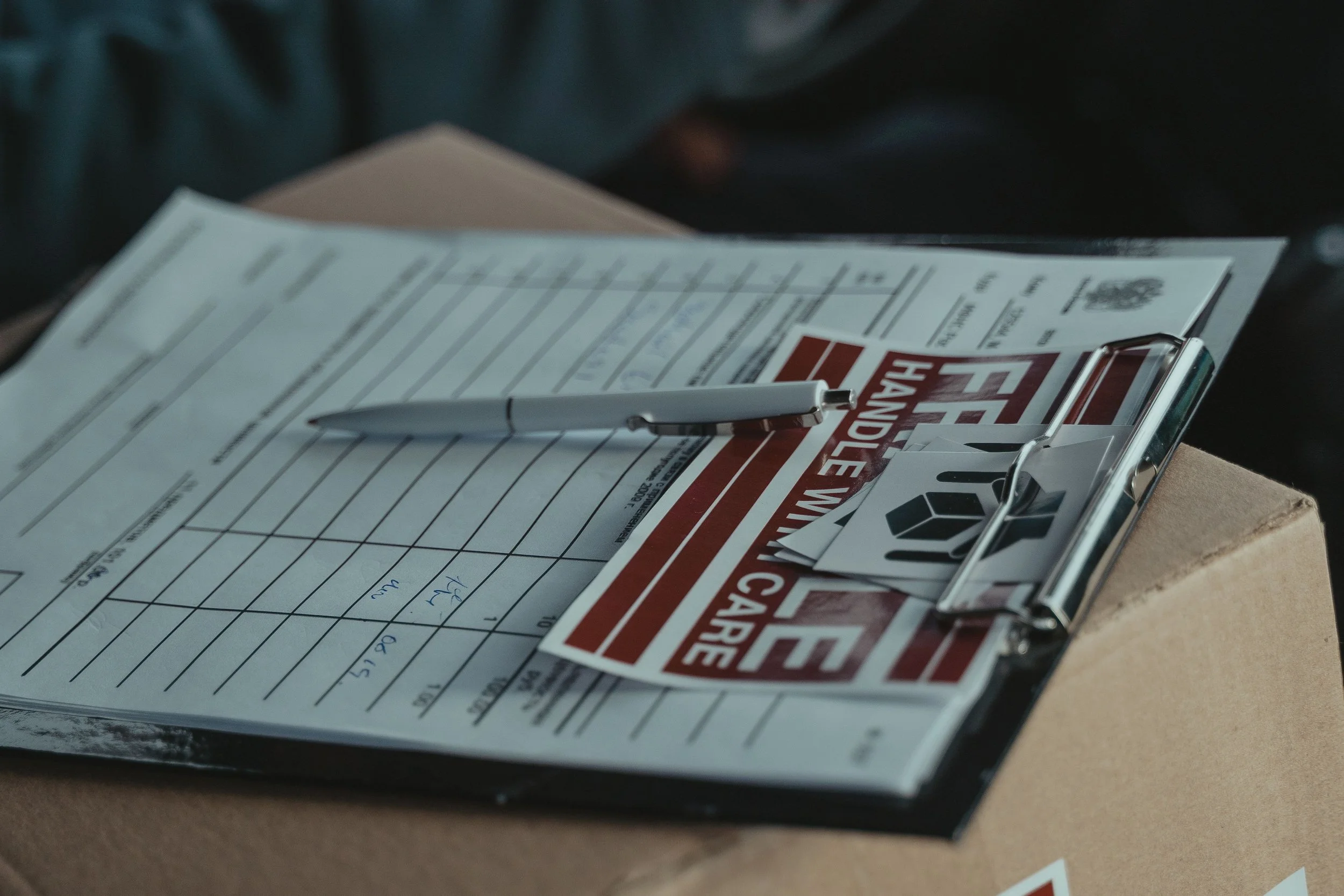
A compliance label must meet more than just the minimum standard of accurate printing. The label must contain current information, remain readable in its working environment, and support a documented process after application.
Errors in wording, material, placement, or inspection records can create safety gaps and audit problems. Consequently, accurate spelling and a crisp image aren't enough to make a labeling program reliable. Its practical requirements begin with what accurate printing cannot resolve by itself.
Labels identify equipment, document service work, warn about hazards, or direct a required response. Their information must remain legible after handling, weather exposure, cleaning, and routine contact. For field records, service labels connect printed information with the record attached to a machine, panel, tank, or vehicle. That connection requires a clear purpose, durable construction, and controlled placement.
Accuracy is One Layer of Compliance
Printing accuracy covers spelling, numbers, symbols, dates, and variable information. Compliance work also requires a controlled source file, an approved revision, and a proofing step before production. A correctly printed obsolete instruction still creates a process failure.
Variable data requires separate attention. Serial numbers, inspection dates, technician details, and equipment identifiers must match the correct asset. Comparing each label with work orders or asset records catches mismatches before dispatch.
Material Must Match the Work Setting
A label’s substrate affects how long its information remains usable. Paper and vinyl behave differently when exposed to moisture, sunlight, abrasion, oils, solvents, temperature changes, or frequent handling. The selected material should match the surface and surrounding conditions.
Adhesive selection matters as well. Dust, grease, textured surfaces, and low temperatures affect how well a label bonds. A clean, dry surface supports consistent application, while poor preparation leads to lifting, curling, or detached information.
Placement Affects Whether People Act
A readable label still fails if workers cannot see it during the task. Placement should follow the user’s line of sight, the equipment’s access points, and the moment when the instruction matters. A warning near a service connection works better than one hidden behind a removable cover.
Labels also need separation from competing information. Crowded panels, overlapping stickers, and inconsistent orientations slow recognition. A placement plan should identify the exact surface, viewing direction, and relationship to handles, controls, ports, or safety barriers.
Use Words that Support a Specific Action
A compliance message should tell a person what to check, avoid, record, or do next. Short wording reduces interpretation, but it cannot omit necessary information. Required warnings, operating limits, identification details, and contact information need space and clear hierarchy.
Symbols can support recognition, but they should not replace necessary written instructions. Workers need consistent terms across labels, work orders, manuals, and inspection forms. Consistent wording reduces confusion during routine service and emergency response.
Inspection Turns a Label into a Control
A labeling program needs an inspection method after installation. Inspectors should check legibility, adhesion, position, damage, and agreement with current procedures. Each inspection record should identify the asset, date, person completing the check, and corrective action.
Inspection frequency depends on exposure and use. Outdoor equipment, frequently cleaned surfaces, and high-contact areas require closer observation than protected indoor locations. A damaged or outdated label should be replaced through the same approval process used for the original.
Control the Workflow Before Dispatch
A reliable process begins with one approved version for each label type. Production staff should confirm the file, dimensions, material, color requirements, and variable data before printing. The final review should compare the printed label with the approved proof.
Storage also affects control. Labels should carry a revision identifier or issue date where practical, while obsolete stock should remain separate from current stock. Dispatch records should connect quantities and versions with the requesting department or job.
This workflow reduces errors that printing equipment cannot detect. A printer reproduces supplied content; it does not determine whether an instruction remains current or belongs on a particular asset, or suits the application environment. Those decisions require ownership by the people managing the process.
Conclusion
Compliance labeling succeeds when content control, material selection, placement, and recordkeeping work together. A team should verify each label’s wording against current procedures, select stock for its exposure conditions, and define an inspection interval before dispatch.
The next step is a focused label audit: compare printed instructions with field tasks, check readability on installed equipment, and remove outdated versions. This review turns printing accuracy into a repeatable compliance practice.