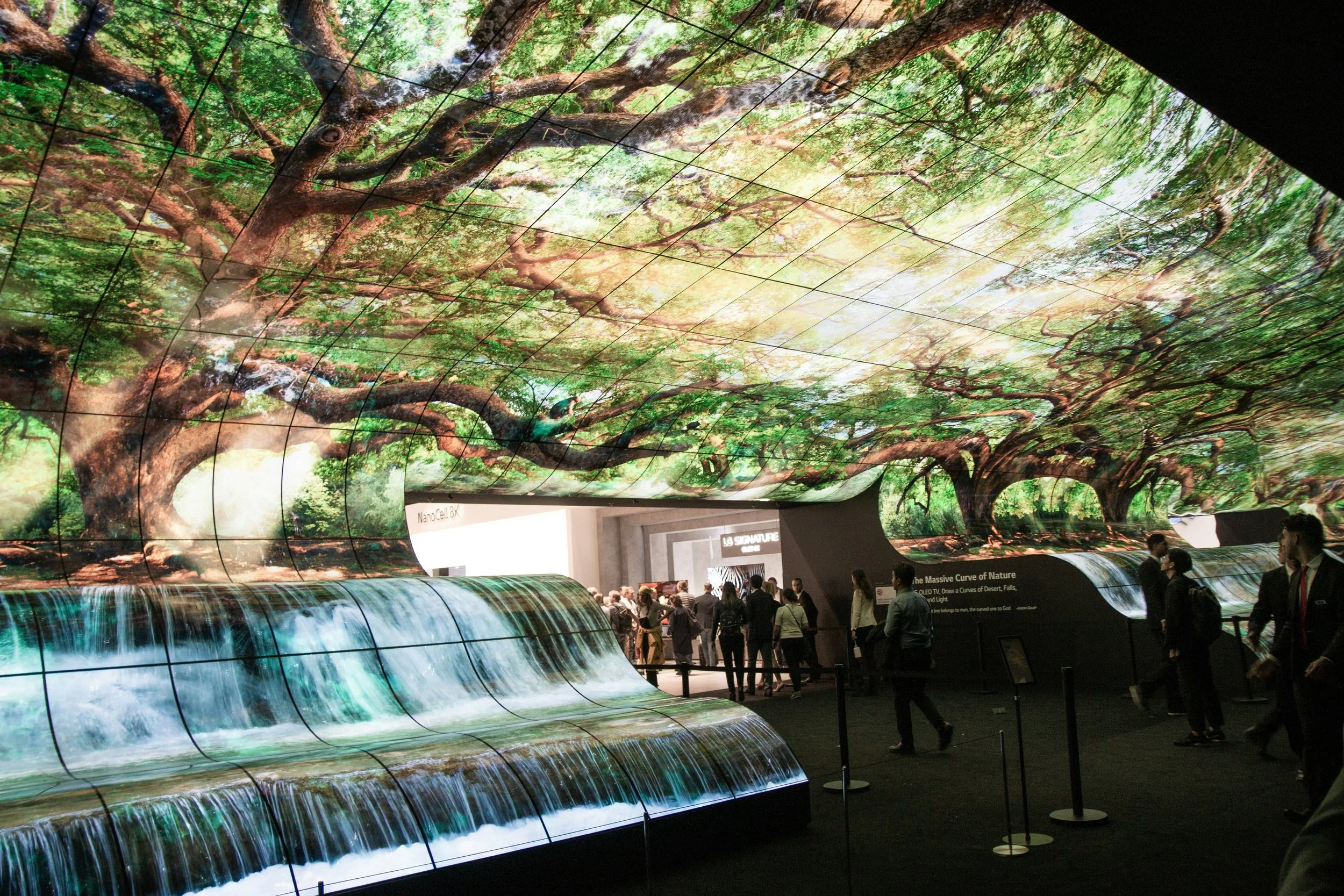
Traditional marketing often asks audiences to watch, read, or listen to a brand's message. Experiential marketing takes a different approach. It invites people to become part of the experience through interactive activities, live demonstrations, creative installations, and other engaging moments.
These experiences give audiences an opportunity to connect with a brand in a more personal way. Instead of simply learning about a product or service, they can explore its features, see how it works, and interact with the people behind it.
For businesses looking to build stronger relationships with their audiences, experiential events offer a way to make brand messaging more engaging and memorable.
What Are Experiential Events?
Experiential events are organized brand experiences designed to encourage direct interaction between a business and its target audience. Rather than relying entirely on traditional advertising, these events allow people to engage with a brand through hands-on activities and immersive environments.
An experience might involve testing a new product, walking through an interactive branded space, participating in a live demonstration, or exploring a digital installation. Some events take place in person, while others use virtual or hybrid formats to reach audiences beyond a physical venue.
The goal is to create an experience that communicates the brand's identity and message while giving attendees something meaningful to participate in.
Why Do Brands Invest in Experiential Events?
Experiential marketing gives businesses an opportunity to connect with audiences beyond a standard promotional message. When people actively participate in an experience, they have more opportunities to understand what a brand offers and what makes it different.
Here are several reasons businesses incorporate these events into their marketing strategies.
Encourage Active Audience Participation
Interactive experiences give attendees a reason to get involved. Product demonstrations, hands-on activities, and digital installations allow people to explore a brand rather than simply observe it.
This participation can make the experience more engaging and give attendees a clearer understanding of the product or service.
Create Memorable Brand Associations
A well-planned event can leave attendees with a positive impression that extends beyond the event itself. Thoughtful design, engaging activities, and meaningful interactions help create an experience people can remember and associate with the brand.
Make the Brand More Approachable
Experiential events allow businesses to show the people, values, and ideas behind their products or services. Direct interactions with brand representatives can make a company feel more accessible and relatable.
Build Trust Through Personal Interaction
Audiences have opportunities to ask questions, explore products, and receive information directly from representatives. These interactions can help businesses communicate more openly and establish stronger relationships with potential customers.
Demonstrate What Makes a Product Different
A product demonstration or interactive display can communicate features and benefits in a practical way. Instead of relying solely on written descriptions or advertisements, businesses can let attendees experience the product firsthand.
Strengthen Emotional Connections
An experience that resonates with attendees can help create a stronger connection between the audience and the brand. When the event reflects the interests and expectations of its audience, it has a better opportunity to make a meaningful impression.
Essential Elements of a Successful Experiential Event
Creating an engaging event involves more than setting up an attractive display. The experience should have a clear purpose, encourage participation, and communicate a consistent brand message.
Several elements can help bring these experiences together.
Interactive Activities
Participation should be a central part of the event. Interactive displays, product demonstrations, digital kiosks, and hands-on activities give attendees opportunities to engage with the brand.
Sensory Design
Visuals, sound, textures, lighting, and even scents can contribute to an immersive environment. Using multiple sensory elements helps create an atmosphere that feels more engaging than a conventional promotional space.
Compelling Storytelling
Every part of the experience should support a central idea. A clear narrative helps connect the event's design, activities, and messaging to the brand's identity.
Personalization
Experiences become more relevant when they reflect the interests and preferences of the intended audience. Personalized activities and content can help attendees feel more involved.
Shareable Moments
Visually interesting installations and interactive activities can encourage attendees to share photos, videos, and experiences on social media. This gives the event opportunities to reach people who were not physically present.
Different Types of Experiential Events
There is no single format that works for every brand. The right approach depends on the audience, marketing objectives, available resources, and the type of interaction a business wants to create.
Some common formats include:
Pop-Up Shops
Pop-up shops are temporary retail spaces designed to introduce products, promote collections, or create interest around a brand. Their limited availability can make them appealing to audiences looking for a unique shopping experience.
Interactive Brand Installations
These installations use creative environments and technology to encourage participation. Examples include interactive walls, projection mapping, virtual reality experiences, and digital displays that respond to attendee activity.
Live Product Demonstrations
Live demonstrations allow attendees to see a product or service in action. They can ask questions, explore features, and better understand how a product may fit their needs.
Virtual Events
Virtual experiences use digital platforms to connect brands with remote audiences. Online product showcases, virtual tours, webinars, and interactive presentations can make participation possible without requiring attendees to visit a physical location.
Hybrid Experiences
Hybrid events combine in-person and digital participation. They allow businesses to create a physical experience while providing opportunities for remote audiences to engage with the same event through online platforms.
How to Plan Experiential Events That Meet Your Goals
Successful event planning starts with a clear understanding of what the business wants to accomplish. Creative ideas are important, but they need to be supported by audience research, practical planning, and a strategy for measuring results.
1. Establish Clear Objectives
Start by identifying the purpose of the event. Is the goal to increase brand awareness, generate leads, introduce a new product, or strengthen relationships with existing customers?
Defining these objectives early helps guide decisions about the event format, creative direction, and performance metrics.
2. Understand Your Target Audience
Consider the people you want to reach and what would make the experience relevant to them. Audience research, surveys, customer information, and previous event feedback can help identify their interests and expectations.
The more closely the event reflects its intended audience, the easier it becomes to develop activities that encourage participation.
3. Develop a Central Creative Concept
A strong creative concept gives the event a clear direction. It should connect the brand's identity and message with an experience that audiences can understand and participate in.
The concept also provides a foundation for decisions about the event's layout, visual design, technology, and activities.
4. Coordinate the Logistics
The planning process includes selecting a venue, coordinating vendors, organizing staff, preparing equipment, and establishing a timeline.
Technical requirements and contingency plans should also be considered. Addressing these details early helps reduce potential problems during event execution.
5. Incorporate Technology Where It Adds Value
Technology can make an event more interactive and immersive. Augmented reality, touchscreens, mobile applications, and digital displays are examples of tools that can support audience participation.
However, technology should serve the experience rather than become its main purpose. Every digital element should contribute to the event's objectives and function reliably.
6. Promote the Event Before It Begins
Pre-event promotion helps build awareness and encourage attendance. Businesses can use social media, email campaigns, influencer partnerships, and teaser content to introduce the experience and generate interest.
Consistent messaging across promotional channels also helps audiences understand what to expect.
7. Execute the Experience Carefully
On event day, the different elements should work together. Staff should understand their responsibilities, equipment should be tested, and support should be available to address questions or unexpected issues.
A smooth experience helps maintain audience engagement and reflects positively on the brand.
8. Collect Feedback and Evaluate Performance
After the event, gather information about attendee experiences and overall performance. Surveys, participation data, social media activity, and lead information can help identify what worked and what could be improved.
These insights can guide the planning of future events.
How to Maintain Audience Engagement After the Event
The relationship with attendees does not have to end when the event concludes. Post-event communication gives businesses another opportunity to strengthen connections and keep their brand relevant.
Send Personalized Follow-Ups
Thank attendees for participating and consider referencing specific activities or interactions from the event. Personalized communication can make follow-ups feel more meaningful than a generic message.
Share Event Highlights
Publish photos, videos, and recaps that capture important moments. These materials can help attendees revisit the experience while giving people who missed the event an opportunity to see what took place.
Encourage User-Generated Content
Share attendee posts and encourage people to continue using event-related hashtags. User-generated content can extend the event's visibility and provide additional perspectives on the experience.
Provide Additional Resources
Continue the conversation by sharing behind-the-scenes content, product information, downloadable materials, or other resources related to the event. These follow-ups can give audiences additional reasons to interact with the brand.
How to Measure the Success of Experiential Events
Evaluating event performance helps businesses understand whether their investment supported the intended marketing objectives. The right measurements depend on the event's purpose, but several key performance indicators can provide useful insights.
Audience engagement: Measure participation in activities, demonstrations, sessions, and interactive displays.
Social media reach: Monitor event mentions, shares, hashtag activity, and audience-generated content.
Lead generation: Evaluate the number and quality of leads collected during the event.
Return on investment: Compare the event's costs with the business value or revenue generated.
Attendee feedback: Review survey responses and comments to understand how people experienced the event.
Looking at these measurements together provides a more complete picture of event performance. Quantitative data can show how many people participated or how far the event reached, while attendee feedback can help explain what made the experience effective.
Creating Brand Experiences That Last Beyond the Event
Experiential events give businesses a way to bring their brand stories to life through direct interaction, creative environments, and meaningful audience participation. When the experience is built around clear objectives and the needs of its audience, it can support stronger brand recognition and more personal connections.
From developing the initial concept to coordinating event production and evaluating performance, every detail contributes to the overall experience.
Exhibitus helps brands create immersive experiences through strategic planning, creative design, and event execution. By combining brand storytelling with engaging environments, businesses can create experiences that connect with audiences and communicate what makes their brand distinctive.