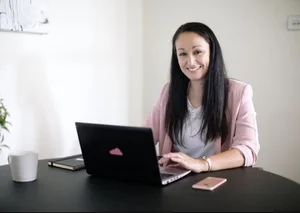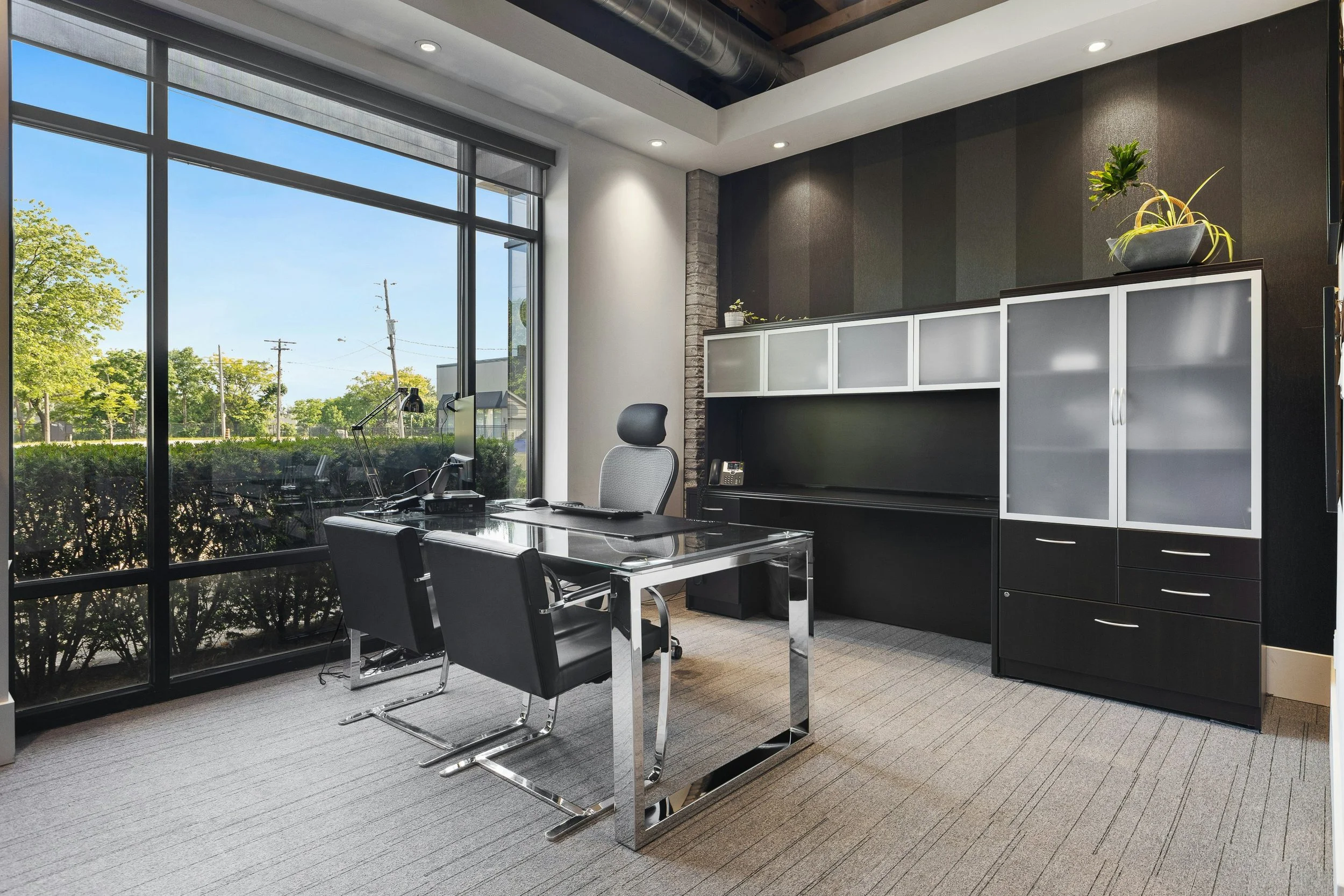
A home office can look perfect in photographs and still become frustrating to use every day. Stylish furniture, coordinated colors, attractive shelving, and carefully selected décor often create an impressive first impression. Yet after a few weeks of real work, many people discover that appearance alone does not determine whether a workspace supports productivity.
The rise of remote and hybrid work has changed how people think about home offices. What was once a spare room used occasionally has become a place where people spend hours every day attending meetings, solving problems, and managing important responsibilities. As a result, practical considerations often matter more than visual appeal.
The most effective home offices are not necessarily the most beautiful. They are the ones that help people stay comfortable, focused, and productive throughout long workdays. The difference between those two outcomes usually comes down to factors that visitors rarely notice.
Comfort Influences Performance More Than Design Trends
People often focus on what a workspace looks like before considering how it feels.
An attractive chair may not provide proper support during a full day of work. A beautiful desk may be the wrong height. Natural light may look wonderful in photographs while creating screen glare throughout the afternoon.
Comfort becomes even more important over time. Minor annoyances that seem insignificant during the first week can become daily frustrations after months of use. Physical discomfort affects concentration, energy levels, and overall satisfaction with a workspace.
This is why experienced remote workers often prioritize functionality first. A workspace that supports focus tends to remain useful long after design trends change.
Temperature Can Quietly Affect Productivity
Few people include climate control on their home office planning checklist, yet it influences the work experience every day.
A room that feels too warm during meetings or too cool during winter mornings can make concentration more difficult. Unlike furniture or décor, temperature issues tend to reveal themselves only after someone begins using the space consistently.
Comfort is one of the most common reasons people adopt connected home technology. Devices such as a smart thermostat are often selected for their ability to automate temperature control, improve efficiency, and create a more comfortable indoor environment. The convenience is obvious. The digital connections that make that convenience possible are often less visible.
Small environmental factors often shape productivity more than people expect.
Storage Matters When Work Becomes Routine
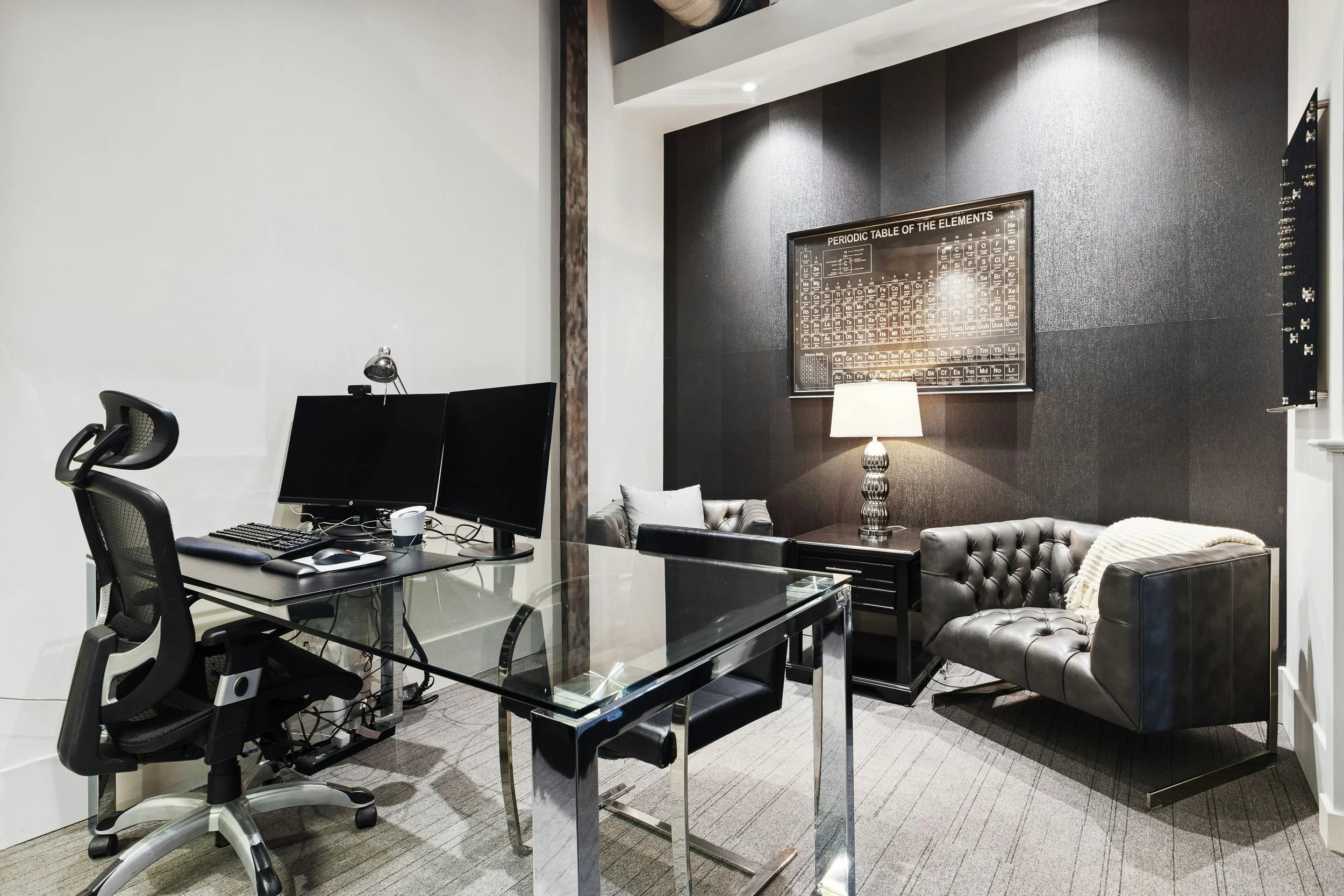
A workspace can appear organized for a photo without being organized for daily use.
Documents, chargers, notebooks, headphones, and countless small items tend to accumulate over time. Without practical storage solutions, clutter gradually spreads across available surfaces.
Effective storage does not necessarily mean adding more cabinets or shelves. It means creating systems that support regular habits. Frequently used items should be easy to reach. Less important materials should stay accessible without creating visual distractions.
The goal is reducing friction. Every unnecessary interruption creates another opportunity for attention to drift away from important work.
Technology Should Support Focus
Modern home offices often contain multiple screens, video conferencing equipment, charging stations, and connected devices. While technology makes remote work possible, excessive complexity can create new problems.
A workspace overloaded with gadgets often becomes harder to maintain and troubleshoot. Wires, adapters, and unused accessories quickly consume valuable space.
The most efficient setups typically evolve around actual work requirements rather than technology for its own sake. Devices should simplify tasks, improve communication, and support workflow. Anything that adds unnecessary complexity can become a distraction.
A productive office often contains less technology than people initially expect, but the technology that remains serves a clear purpose.
The Room Must Match the Work
Different types of work require different environments.
Someone who spends most of the day on video calls has different needs than someone focused on writing, design, analysis, or creative projects. Noise levels, lighting, desk layout, and even room location can influence effectiveness.
A common mistake is copying someone else's office design without considering personal work habits. What works perfectly for one person may feel completely impractical for another.
The most successful home offices reflect the way their owners actually work rather than the way they wish they worked. Designing around real habits usually produces better results than designing around idealized routines.
The Best Home Offices Feel Effortless
The strongest workspaces rarely draw attention to themselves.
People do not spend the day admiring the furniture or noticing the layout. Instead, they focus on their work because the environment supports what they are trying to accomplish.
Good lighting, comfortable temperatures, practical storage, reliable technology, and thoughtful organization work together to remove obstacles rather than create them. The office becomes a tool rather than a showcase.
A beautiful home office may impress visitors for a few minutes. A well-functioning home office improves daily life for years. When people look back on the spaces where they did their best work, they usually remember how the room helped them feel rather than how it looked in photographs.