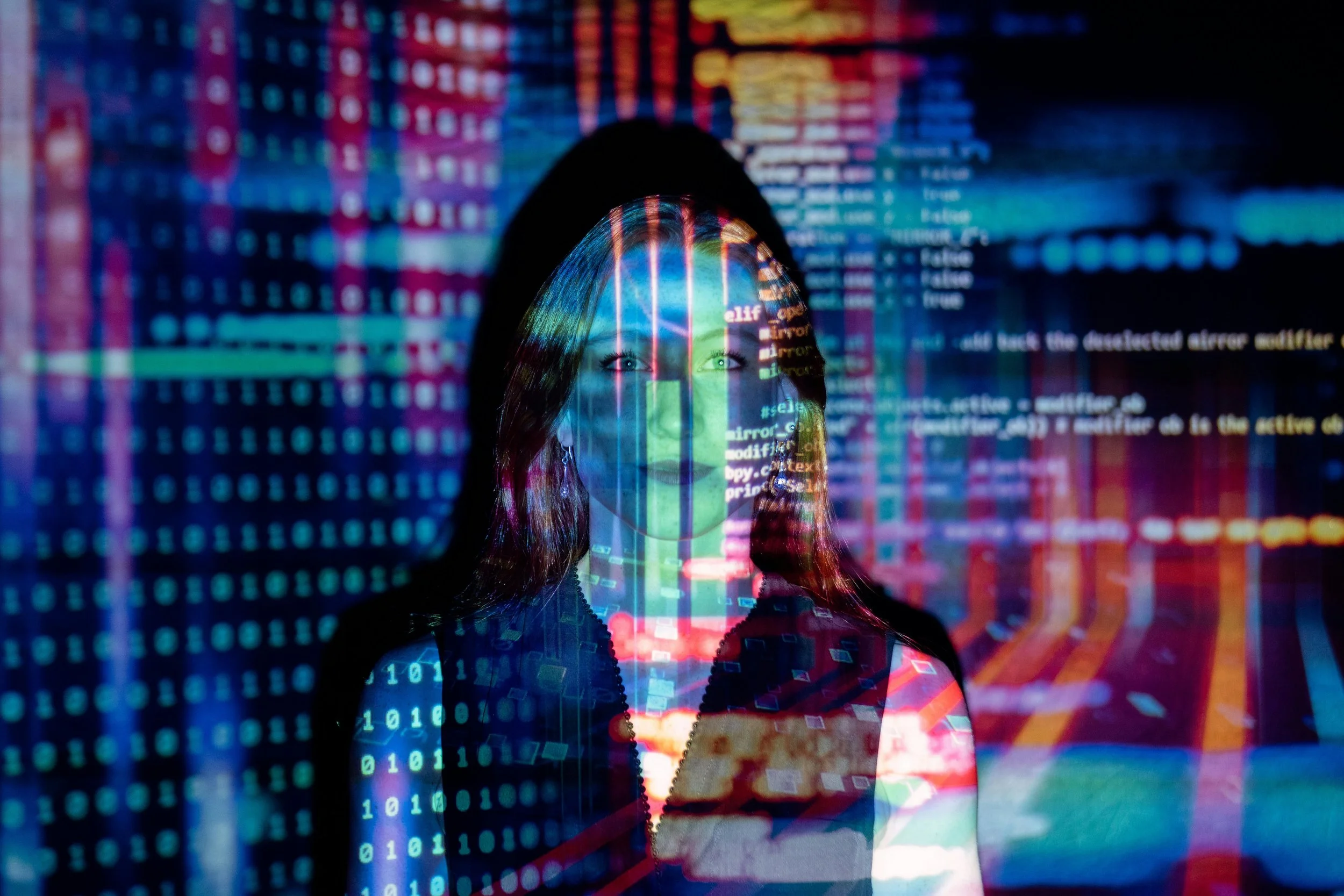
Deepfake voice and audio technology has advanced in the last few years, making it more viable and prominent in the scam landscape. A savvy attacker doesn’t need to brute-force their way into the system; with modern tools, they can sneak in using the voice or face of a trusted coworker. These technologies have recently experienced massive leaps, and the number of deepfake phone and video scams has risen proportionately across all industries.
These scams don’t target technical vulnerabilities. Instead, they target the human side of business, exploiting interpersonal trust and manufacturing urgency to achieve their goals. Therefore, guarding against these attacks has become a human training project as much as a cybersecurity task. Staff members must be educated on complex topics to know what to spot and when to hang up. These attacks are no longer hypothetical; training shouldn’t be either, no matter how large the business.
What Is A Deepfake?
Deepfakes are generated or manipulated photos or videos that use an AI tool trained on a person’s face, voice, and mannerisms to reproduce their identity. They are widely controversial, and have been subject to a high degree of scrutiny in several industries. Aside from deepfake scams, the technology is also used for things like de-aging actors, creating convincing misinformation videos, and generating conversational avatars of historical figures.
Deepfakes are most often created with Generative Adversarial Networks (GANs), which are a type of AI generation where one neural network’s outputs are graded by another in order to produce a high-quality product. Deepfakes are a complex, largely unregulated technology that has rapidly evolved alongside broader AI development.
What Does A Deepfake Scam Look Like?
To start, attackers will create a deepfake of a targeted individual for use in the scam. Only 5-10 seconds of material is needed for a voice/video clone (though more data creates a more convincing replication). Attackers can use publicly available voice clips from earnings calls or speeches, short snippets of targeted phone calls, and more.
Then, attackers will create a script/attack outline and choose a point of intrusion. In a company setting, the deepfake will usually target a subordinate of the targeted individual or a support department. The authority of the deepfaked individual is a major driving force behind the attack, so the target will often be someone compelled to listen to the deepfaked person. Attackers can even target AI chatbot receptionists in similar attacks to gain initial footholds or execute other requests.
The attackers will make a malicious request on a strict, urgent timeline, pressuring the victim to make hasty decisions and cut corners for a trusted individual. Attacks can take a wide variety of forms. Attackers will use a combination of text, voice, and video to quickly convince their victims that they are who they claim to be, and that their request needs to be completed urgently (before the victim can stop and think).
Common Deepfake Attack Scenarios
The Urgent Transfer from the CEO
This is generally the most common type of deepfake scam. Attackers create a voice clone of a high-ranking executive, even going as high as the CEO. This voice clone is used on a lower-level employee, with the CEO usually asking for money or credentials for an urgent meeting or other need. There’s no time to verify; they need it now, and the victim shouldn’t alert anyone. The victim feels compelled to perform well for a top member of the company, but might begin to question the situation if they stop to wonder why the CEO would call them specifically.
The Impersonated Customer
Companies that handle sensitive customer data might fall victim to customer impersonation scams. Bad actors can clone a customer using various audio sources, then request a password reset or transfer of funds. This type of attack is usually paired with a leaked credential that the attackers have obtained, like a password or Social Security Number. These attacks can pose equal risk to the company and the impacted customer, as they can be used to access systems.
The Locked-Out Employee
Attackers clone a targeted employee, usually because they have obtained an identifier like an SSN or company ID. The voice clone is deployed against IT support, where the caller claims they’ve been locked out of their account and need a password reset, even if they can’t provide proper documentation. The urgency comes from the fact that the high-ranking employee can’t complete their business duties, with the caller often claiming the support staff member will face consequences if they don’t provide the real credentials quickly.
Guarding Against Deepfake Attacks
Teach Employees What to Look For
Deepfake technology is improving, but it isn’t perfect. The majority of deepfakes can be detected by watching for artifacts like unnatural cadence, unusual blinking, or visual flaws in an AI face mask. Teaching employees to watch for these signals can stop potential damage at the first step of an attack. Conducting other cybersecurity testing can also help to measure general staff readiness.
Implement Multi-Channel Verification
While they are rare, scenarios that occur in deepfake calls can also occur during regular business. A system to verify legitimate requests lets employees fulfill real requests and reject malicious ones. Moving the conversation to another medium verifies the caller is really making the request. Establishing code words and mandated call-backs from on-record numbers both stop deepfake attacks in their tracks and allow legitimate requests to go through.
Run Hands-On Deepfake Simulations
Giving employees a practical understanding of deepfake technology arms them with a lived experience of what an attack could look like. Pairing theoretical classroom instruction with interactive demonstrations, either planned or unannounced, is a great way to build vigilance. This process can also familiarize employees with important reporting procedures that they might not otherwise understand.
Monitor Publicly Available Voice and Video
Voice and video clones are trained on open-source intelligence (or OSINT): voice and visual data that attackers can scrape from freely available online sources. Only 5-10 seconds of source data are necessary to create a functioning deepfake, so limiting exposure is critical. Actively monitoring the release of voice and video information and only releasing necessary footage limits the amount of data for attackers to utilize.
Conclusion
The most important part of deepfake preparation is understanding a strange reality; deepfake attacks aren’t theoretical anymore. The ease of access to increasingly powerful technology has turned this seemingly labor-intensive attack into a common occurrence, and businesses of all types should be prepared. Regularly educating employees and conducting general cybersecurity testing keeps internal systems resilient, and monitoring the release of OSINT prevents bad actors from getting the materials they need to initiate an attack.
Ultimately, your business may be the target of a deepfake attack. Attackers are using increasingly complex combinations of fake emails, phone calls, and even full video conferences to pressure staff at all levels of an organization to make big decisions on urgent timelines. Investing in cybersecurity readiness and scam prevention is an important but oft-ignored way of protecting and growing your business. Training employees, maintaining verification systems, and monitoring OSINT help keep the evolving threat of deepfake scams at bay.
AUTHOR

NAZY FOULADIRAD
Nazy Fouladirad is President and COO of Tevora, a global leading cybersecurity consultancy. She has dedicated her career to creating a more secure business and online environment for organizations across the country and world. She is passionate about serving her community and acts as a board member for a local nonprofit organization.