Pressure Reducing Valves for Steam, Water, Air and Industrial Fluids
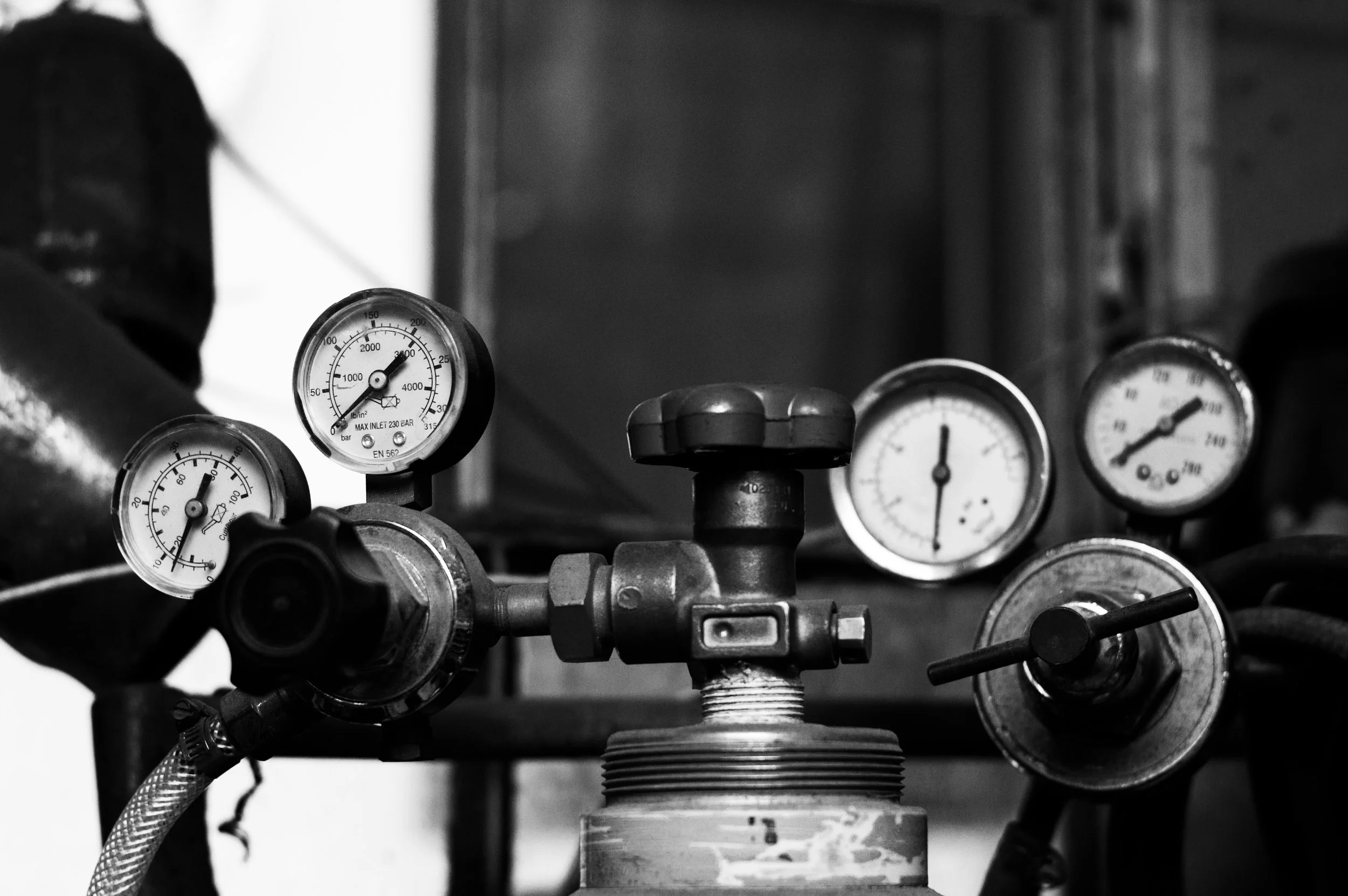
Pressure reduction valves (PRVs) are a critical component in commercial and industrial systems for the safe operation of equipment and processes. They reduce high upstream pressure to a lower, controlled downstream pressure.
Pressure Reducing Valves
A pressure reducing valve controls a high-pressure inlet and maintains a consistent low-pressure outlet. It protects equipment, improves process control and allows safe operation in today’s commercial and industrial environments such as steam, water, air and industrial fluids.
They keep the output pressure constant, independent of outside conditions, reducing the burden on the system’s internal workings. Pressure reducing valves are used in a wide range of systems that handle steam, water, compressed air and other industrial fluids.
The important operating factors including upstream pressure, desired downstream pressure, type of medium, temperature, size, connections and flow rates have to be understood accurately in order to select the right PRV. A comprehensive comparison tool based on these features might be a beneficial tool to improve the choice process and to attain optimal long-term performance.
What a PRV Does and When to Use One
A PRV regulates and reduces downstream pressure. It responds primarily to downstream pressure rather than inlet pressure. And also to the pressure at the exit. The valve closes further when the downstream pressure reaches the preset threshold. If the downstream pressure falls below the set value, the valve opens further . This compensating mechanism maintains the outlet pressure very close to the prescribed value.
Use a PRV When Supply Pressure Is Too High
Use a pressure-reducing valve (PRV) when the supply pressure exceeds what your downstream equipment can safely handle. It is found in many systems. The pressure of the water flowing from the main line may be too high for your appliances, fixtures, or branch lines. The operating pressure of a steam header might be much higher than that of the process it serves. The compressed air system requires different pressures depending on the location within the facility. These controlled regions are created by PRVs.
A PRV is a vital instrument when it is crucial to maintain a steady pressure. Some systems need more than just low pressure. They require consistent pressure. Steady downstream pressure means fewer nuisance shutdowns, better instrument protection, better heating control, and better spray performance.
Choose a PRV When Pressure Stability Matters
Buyers should also know which qualities a PRV lacks. A PRV is not a pressure relief valve, as is often assumed. Where a relief mechanism is required by design or law, it cannot be utilized as a substitute for overpressure protection. The normal function of a PRV is to regulate downstream pressure. If the system pressure is too high, a relief valve will kick in and prevent everything from bursting. Both are needed in some situations.
Know What a PRV Will Not Do
Not all pressure problems can be handled with a PRV. If you are experiencing difficulties such as rapid cycling loads, flashing fluids, cavitation, or excessive pressure loss, you may need to change your valve arrangement. One small valve might not be enough. Two-stage reduction, pilot-operated control, or additional ancillaries may be more effective solutions.
Watch for the Warning Signs
If you are experiencing downstream leakage, noisy flow, frequent seal failures, unstable control, damaged appliances, severe water hammer, or poor process uniformity, your system may require a PRV. Often, the first-line-of-defense device is a pressure-reducing valve (PRV), as the pressure rating of downstream equipment is lower than the available supply in many instances.
Direct-Acting vs Pilot-Operated Pressure Reducing Valves
There are several types of pressure reducing valves (PRVs). The most common types are pilot-controlled and direct-acting.
Final decision may depend on system stability, precision, flow, pressure drop, load variations, and other considerations.
If you have light to medium duty and moderate flow applications, the cost-effective, easy-to-install direct-acting positive-return valve (PRV) with a diaphragm or piston is a great choice.
They are more expensive and more complex but offer greater stability and control but fit for industrial applications because of their higher control and stability.
The direct-acting valves are smaller and more reliable, whereas the pilot-controlled valves are more suitable for bigger systems, or systems that are less predictable or delicate.
Media, Materials and Connection Options
Pressure Reducing Valves (PRVs) should be rated for the media and have a pressure rating. The choice of a PRV should be governed by its appropriateness for the fluid, temperature, and service conditions, not by size or cost.
Water service bodies are normally constructed of brass, stainless steel, ductile iron, and bronze.
Pressure Ranges, Temperature Limits and Cv/Kv Data
Consumers should be informed of the limitations of each kind of Pressure Reducing Valves (PRVs) should be rated.
The major pressure features include body pressure rating, maximum allowable differential pressure, maximum upstream pressure and downstream set range.
Different output settings may require different springs because the band in the downstream set range varies.
Set the ambient water valve to the operating temperature for optimal performance in warmer weather. This will assure the reliability of the valve.
When selecting a valve, consider the flow capacity, represented by Cv, Kv, and Kvs, together with the pipe size.
An incorrectly sized valve can cause excessive pressure drop and poor control.
You should also understand that high pressure and velocity can cause flow difficulties such as cavitation in liquids or noise in gas systems.
When you are assessing the PRV settings, be sure to obtain all required technical data. This comprises inlet and outlet size, body ratings, temperature limits and flow coefficients.
Engineers can utilize the data to better identify possible solutions.
How to Select the Right PRV for Your System
The first step in making a solid decision is to accurately define the operating circumstances, such as upstream and downstream pressures, operating temperature, and flow range, using real data. The operation of a valve under various loads depends on verifying the required output pressure and analyzing both regular and peak demand. If the valve is sized using capacity data such as Cv, Kv, or Kvs and the differential pressure is monitored, good control may be ensured.
Identify the fluid, the type of connection, the pressure-class compatibility of the material, and the maintenance needs of readily accessible areas. Many applications require strainers, separators, and traps for effective steam control. Also, watch closely for noise and thermal expansion. Similar considerations are significant for water systems.
A good category page, with filtering by relevant criteria and links to datasheets, may substantially improve the selection process. When you are done, make sure to carefully verify the dimensions and installation notes in the technical manuals. ISmall nuances may make a difference in the performance of a valve therefore it is a good idea to explore choices before you commit to large applications.
Installation, Safety and Maintenance Requirements
Clean the Piping Before Installing the PRV
Incorrect installation will not make even the best PRV perform well. A clean pipe is the first step to a proper installation. Flush the line before inserting the valve. Remove debris, dirt, scale, and scrap. Most PRVs have a strainer upstream of the device to prevent debris from damaging the seat, blocking the pilot, or causing downstream pressure creep.
Follow Correct Installation Practices
Ensure the valve is rotated so the flow goes the appropriate way. Follow the flow direction indicated by the arrow on the valve body. Confirm that the valve is oriented as per the manufacturer’s specification. Some valves can be installed horizontally or vertically.
Ensure Proper Access and Pipe Support
Provide isolation valves when maintenance access is important. Install pressure gauges on both the upstream and downstream sides of the valve for proper adjustment and inspection. Be sure pipework is adequately supported so the valve body does not have to carry any additional mechanical load. Provide sufficient room for service, inspection, and adjustment.
Special Installation Requirements for Steam Systems
Special care is required when installing PRVs in steam systems. The PRV requires dry, pure steam. Wet steam adversely affects the quality of control and accelerates wear. A typical steam PRV station is equipped with a strainer, a downstream pressure sensor, a safety relief valve, an upstream separator and trap set, and the PRV itself. Some cases may also require a two-stage reduction setup or warm-up bypass.
Protect the System with Proper Safety Measures
Safety should always be the top priority. A PRV controls pressure during normal operation but cannot eliminate the risk of overpressure entirely. Downstream equipment should still be suitably safeguarded as needed. In constructing the system, consider the probability of a failure scenario that would subject the downstream side to overpressure. The PRV should not be viewed as a substitute for a properly functioning safety system.
Commission the PRV Carefully
A PRV that begins to chatter, leak, or creep. Slowly open the upstream isolation valves. Turn on the system slowly. Adjust the outlet pressure as per the manufacturer's recommendations. Then check the setpoint under real load. The valve may appear to be working correctly while there is no flow, but it may not be able to handle the real demand.
Watch for Early Warning Signs
Make maintenance easier and plan it in advance. Look at the strainers." Check the fluid levels. Listen for vibration, noise, unstable outlet pressure, creep downstream, or failure to hold set point. Often, the cause of such symptoms is wear on the trim, dirt on the seat, damaged diaphragms, clogged pilot channels, or an inappropriate size. “It avoided a more serious failure, delaying inspections.
Watch for Early Warning Signs
Watch for small signals. A PRV that starts to ramble, leak or creep has no self-improvement. Preventive maintenance protects downstream machinery and extends service life.
Datasheets, Drawings and Frequently Asked Questions
Technical material helps the user move from browsing to purchasing. Buyers should have easy access to the essential papers for each product. This comprises the technical summary, downloadable PDF datasheet, dimensional drawing, material breakdown, pressure & temperature limitations, approvals or standards, where applicable, installation notes, spare parts information, and local alternatives for comparison. Such details assist the engineers in selecting the proper valve. It also aids maintenance staff with planning stock, servicing, and replacement. Good technical content eliminates ambiguity. It reduces the distance from search to purchase.
FAQs
Here are some of the most typical questions consumers ask when choosing a PRV.
What is the difference between a PRV and a relief valve?
The PRV regulates and decreases downstream pressure during normal operation. A relief valve opens only if the pressure exceeds a predefined safety limit. They serve different purposes.
Should I pick a PRV based solely on pipe size?
Nope. Always size the valve based on actual flow, pressure conditions, and Cv or Kv data. Pipe size is merely one consideration.
When should I use a pilot-operated PRV?
For tighter control, higher capacity, or better performance during big load changes and greater pressure decreases, use a pilot-operated valve.
Do I need a strainer upstream of the valve?
Yes, in most systems. The trim is protected by a strainer and contributes to valve stability. It is particularly significant in steam and older piping.
Why does the downstream pressure continue to increase after installation?
Possible causes include debris in the seat, broken trim, improper installation, the wrong size, or a control problem in the pilot or sensor line.
May any media be handled by one PRV?
No. Valve materials and seals must be compatible with the fluid, temperature, and working circumstances. Always verify compatibility before choosing.
Do I need a safety relief valve downstream of a PRV?
Many systems do. The response is based on the design risk, the downstream rating, and the engineering criteria that apply.” Never think the PRV is a replacement for overpressure protection.
What documents should I review before ordering?
Check the datasheet, dimensional drawing, pressure and temperature restrictions, materials list, installation notes, and availability of spare parts. The correct PRV protects your investments, maintains stable pressure, and increases efficiency. Select the valve using actual system data, install it properly, and provide good service. This method eliminates downtime, protects downstream equipment, and delivers reliable performance over the long haul.