
How Countermeasures Are Detected During Lie Detector Test
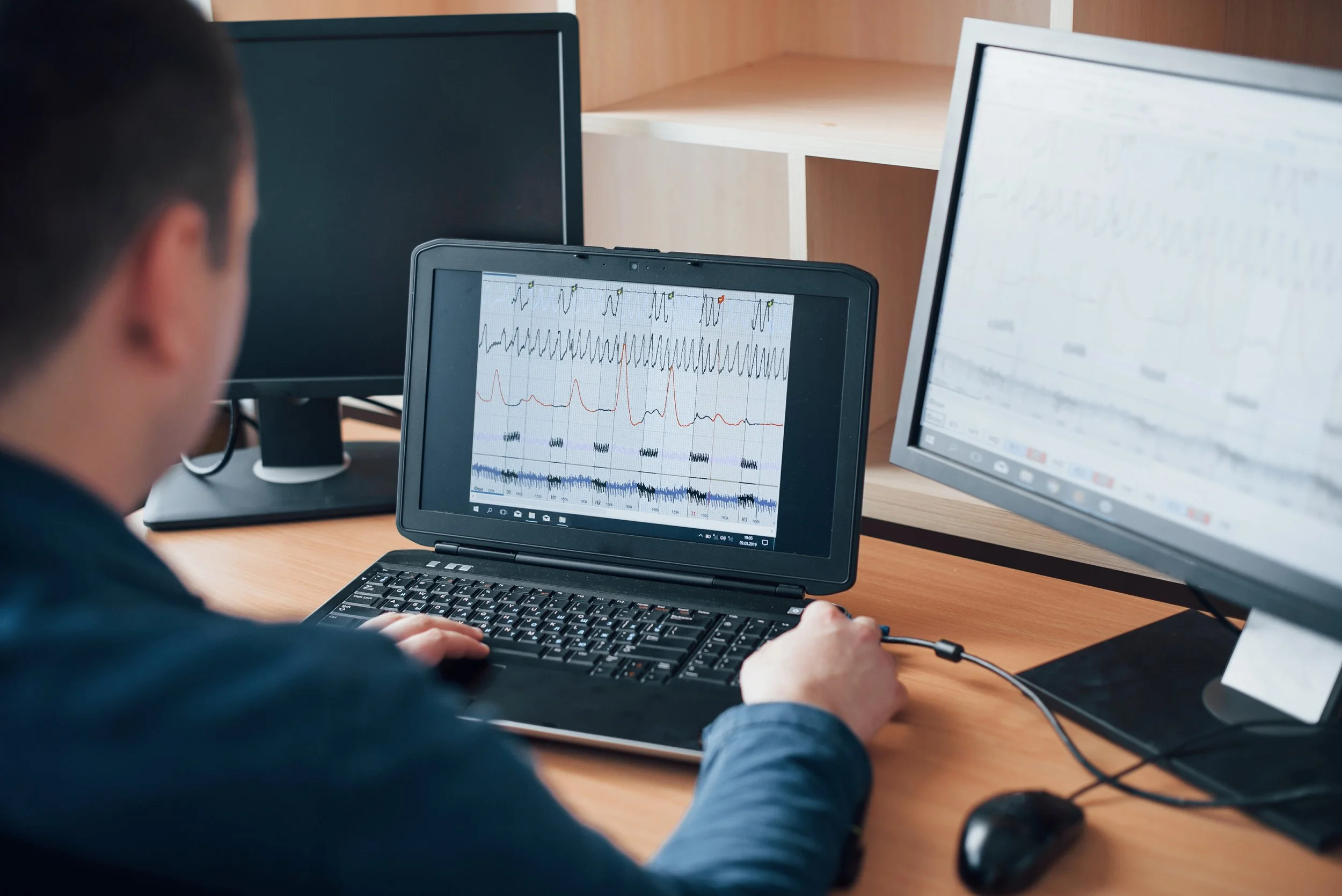
If you're preparing for a polygraph examination, you've probably come across claims that simple tricks can help someone beat the test. Information concerning the adjustment of breath patterns, muscle tension, or mental diversions is readily available online. Nevertheless, these techniques may cause undue stress and can even influence your test results.
Knowing how trained examiners detect countermeasures will provide you with a better idea of what really occurs during the testing process. Rather than the myths and shortcuts, it is better to concentrate on how professional polygraph tests are structured to test physiological reactions.
In this article, you'll learn how countermeasures are detected during a lie detector test and why attempts to manipulate the results are often unsuccessful.
1. Professional Examiners Look for Unnatural Physiological Patterns
When undergoing a lie detector test, the instrument continuously measures various physiological reactions such as blood pressure, pulse rate, electro-dermal activity, and respiration. Instead of a single measurement, the examiner assesses the change in these responses during the whole testing procedure.
Due to this, abnormal patterns tend to become apparent. As an illustration, breathing that suddenly becomes perfectly regulated during specific questions, or recurring physical responses that happen at predictable intervals, can suggest that there is intentional interference, and not natural nervousness.
In addition, trained examiners create a baseline prior to the onset of the formal questions. This enables them to analyze your normal physiological reactions against those noted in the process of asking relevant questions. When major inconsistencies are found without any reasonable explanation, they could be signs of attempted countermeasures rather than of actual reactions.
Since all charts are assessed comprehensively, the result is seldom dictated by individual variations. Rather, examiners consider consistency, timing, and correlation among various physiological channels prior to a conclusion.
2. Countermeasure Detection Goes Beyond Polygraph Instrument
Most individuals believe that the polygraph instrument is the sole determinant of whether an individual is trying to manipulate the test. In reality, the examiner plays an equally important role.
During the process of examination, your general behavior is closely monitored by the examiner. This involves body posture, movement, breathing rhythm, facial expressions, as well as adherence to testing instructions. Even small bodily gestures like repetitive muscle movements or deliberate body movements can attract attention if they are performed at strategic points.
Moreover, contemporary testing systems tend to include more methods that assist in detecting intentional physical interference. These instruments are aimed at identifying the actions that might otherwise affect the physiological recordings.
Meanwhile, seasoned examiners know when normal anxiety is present as opposed to deliberate manipulation. Feeling nervous before or during a polygraph examination is expected. Thus, occasional changes due to stress are assessed differently than habitual behaviors that are similar to known countermeasure techniques.
3. Question Structure Helps Reveal Attempts to Manipulate Responses
Countermeasures are also harder to use effectively because of the design of a professional polygraph examination.
All questions are discussed with the examinee before the test is commenced to avoid confusion. This systematic method makes sure that the responses are gauged on the basis of well-conceived questions rather than unexpected shocks.
Secondly, confirmed testing formats are based on well-thought-out question sequences. Since examinees generally do not know the precise significance of each question during chart collection, applying countermeasures at exactly the right moment becomes far more challenging.
When a person tries to artificially amplify or restrain physiological reactions during the examination, such trends can become more apparent in several charts. Rather than concealing a lie, recurrent efforts to manipulate outcomes can introduce further anomalies that will be identified by the trained examiners in the analysis process.
Therefore, consistency is transformed into one of the most powerful pointers of a dependable examination. Authentic physiological reactions usually bear natural tendencies, and artificial control often brings in anomalies that can be easily noticed when going through a professional audit.
4. Attempting Countermeasures Can Affect Final Results
One of the biggest misconceptions surrounding polygraph examinations is that countermeasures improve the chances of passing. In practice, the opposite can happen.
When an examiner identifies evidence of deliberate interference, the testing data may become unreliable. Depending on the circumstances, this can contribute to findings that indicate deception or produce an inconclusive result requiring further evaluation.
Additionally, professional examiners receive specialized training in recognizing commonly discussed countermeasure techniques. Since these methods have been studied for years, attempts to apply them are rarely as subtle as online advice suggests.
For this reason, the best approach is to follow the examiner's instructions throughout the examination. Maintaining normal breathing, remaining still, and answering each question honestly allows the physiological data to reflect natural responses rather than unnecessary interference.
Ultimately, the credibility of a polygraph examination depends on cooperation between the examinee and the examiner. Attempts to manipulate physiological signals introduce variables that can reduce the quality of the examination while increasing scrutiny of the recorded data.
Conclusion
Countermeasures may sound convincing when presented as simple ways to influence a polygraph examination, but professional testing procedures are specifically designed to identify unusual physiological and behavioral patterns.
Through validated testing methods, structured question formats, continuous physiological monitoring, and the expertise of trained examiners, attempts to manipulate results often become detectable. Instead of focusing on strategies that claim to beat the examination, understanding how the process works provides a more accurate expectation of what happens during testing.
A professionally administered polygraph examination is built to evaluate natural physiological responses, making cooperation and honesty the most reliable approach.
