How AI and Visual Technology are Redefining Cinematic Storytelling
If you are anything like us here at Nova Binge, you spend hours tracking down the exact real-world filming locations of your favorite television dramas, blockbuster movies, and binge-worthy streaming series. There is an undeniable magic in discovering that a gritty alleyway, a sprawling sci-fi metropolis, or a tranquil coastal retreat actually exists on a map.
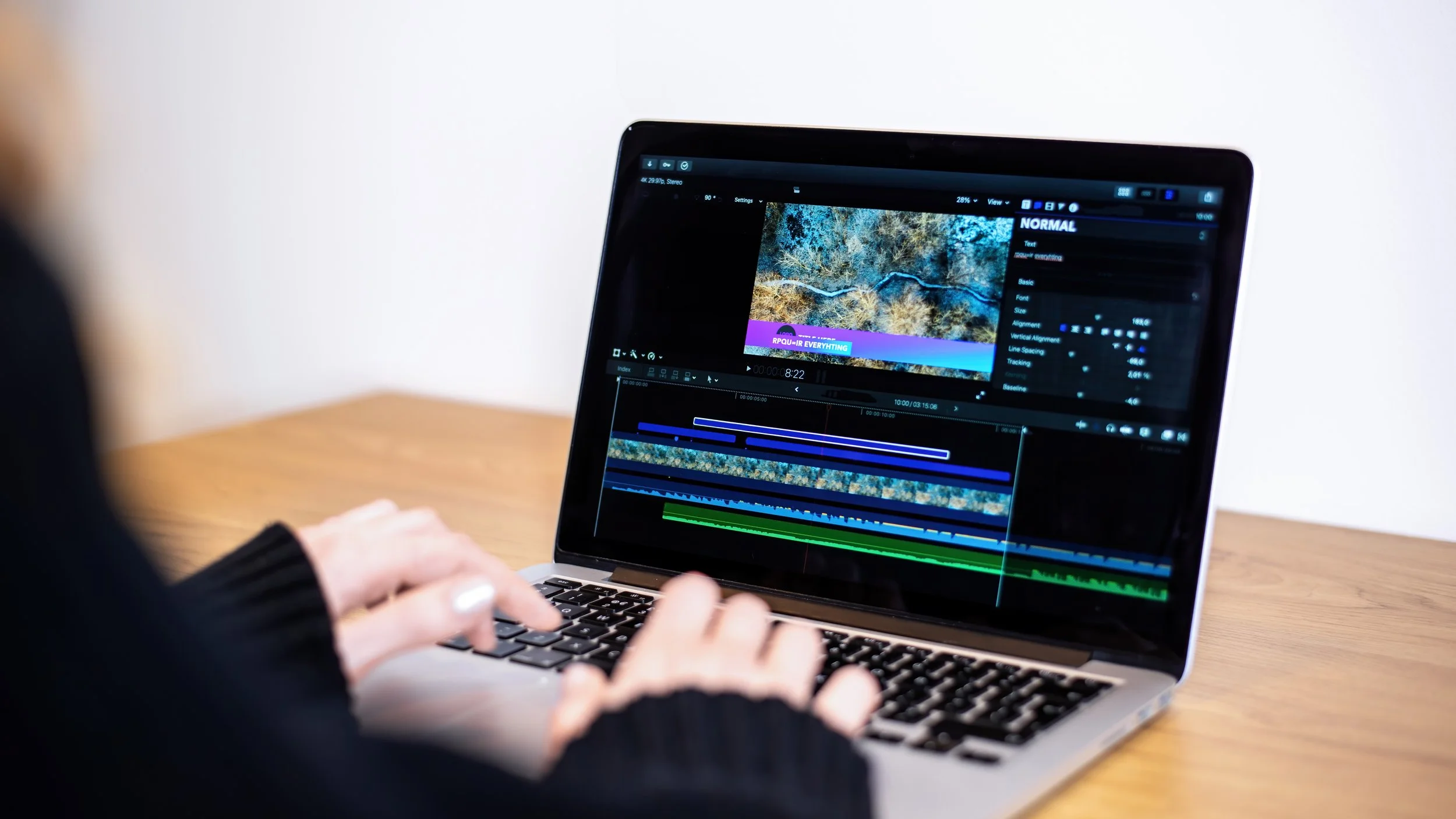
However, the magic behind our favorite screens is shifting. While physical locations still anchor storytelling in reality, the tools used to build, enhance, and conceptualize cinematic universes are evolving at a breakneck pace. Today, the boundary between physical shooting locations and digital wizardry is blurring, driven largely by advancements in artificial intelligence and motion design.
The Shift from Physical Sets to Digital Worlds
For decades, production crews traveled thousands of miles, built massive physical sets, or relied on traditional CGI to bring scripts to life. Fans would later scour the globe to visit these iconic spots. While physical location scouting remains a core pillar of filmmaking, modern production pipelines are increasingly integrating virtual production and digital environments.
Directors and creators can now prototype scenes, construct impossible landscapes, and manipulate lighting in real-time. This doesn't take away from the authenticity of cinema; instead, it expands the canvas, allowing storytellers to build worlds that were previously unimaginable or cost-prohibitive.
How Artificial Intelligence is Transforming Video Productio
Artificial intelligence has moved far beyond simple photo filters or automated text generation. In the realm of video and motion design, AI is transforming how content creators approach:
Pre-Visualization and Storyboarding: Transforming raw scripts into fully rendered dynamic visual sequences in a fraction of the time.
Synthetic Media and Environment Generation: Building hyper-realistic background plates, textures, and digital backlots without needing an on-site crew.
Advanced Motion Design: Automating complex visual effects, tracking, and particle simulations to streamline post-production workflows.
For independent creators, major studios, and digital brands alike, these tools mean faster turnarounds, lower overhead, and unprecedented creative freedom.
Bringing Cinematic Quality to Digital Marketing and Media
It’s not just Hollywood blockbusters capitalizing on these technologies. Digital marketing agencies and video production houses are adopting cinematic AI tools to craft high-impact commercial campaigns, music videos, and immersive brand stories.
When brands want to break through the noise of the digital landscape, standard stock footage no longer cuts it. This has led to a rising demand for specialized studios that combine human creative direction with cutting-edge machine learning. For instance, brands looking to scale their visual content production often collaborate with an advanced ai video agency dubai to leverage next-generation motion design, 3D assets, and AI-driven video synthesis. These hubs are pioneering how commercial storytelling borrows cinematic intensity to capture viewer attention instantly.
What This Means for the Future of Binge-Worthy Content
As technology continues to merge with creative arts, the way we experience entertainment will keep changing. We are moving toward an era where the line between viewer and creator, and between physical travel and virtual immersion, becomes porous.
Whether you love exploring the real-world geographies of your favorite shows or watching the cutting edge of digital video production unfold, one thing is certain: the future of visual storytelling is limitless.
What cinematic world or filming location would you love to see reimagined through next-gen digital tech? Let us know in the comments below!