
Common Design Challenges Innovators Face Before Production
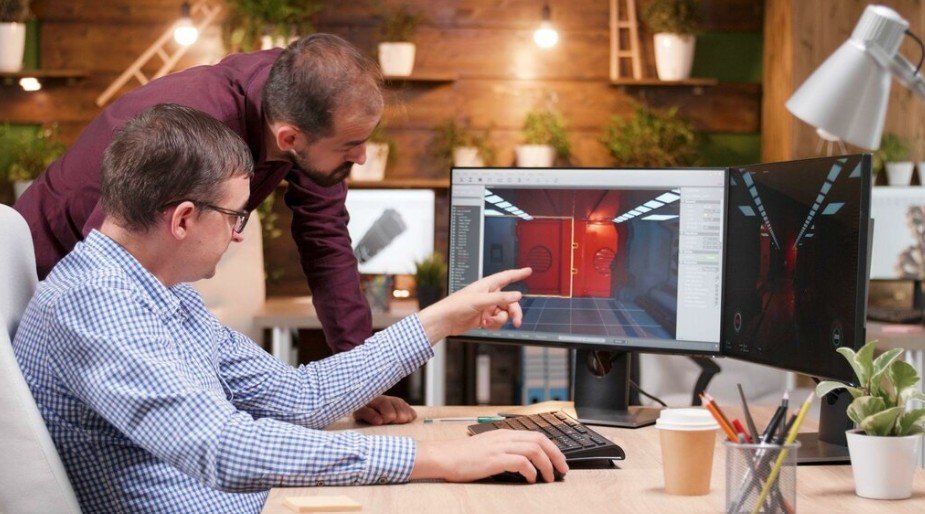
Turning an idea into a finished product is an exciting journey, but it often comes with challenges long before production begins. Innovators must make important design decisions while balancing performance, cost, materials, and user needs. Even a promising concept can face setbacks if design issues are not identified early.
Problems such as unclear specifications, manufacturing limitations, and unexpected prototype failures can slow progress and increase expenses. Understanding these common design challenges is the first step toward creating a successful product. In this article, we'll explore the obstacles innovators often face before production and how they can overcome them effectively.
Recognizing Early Design Challenges Before Production
Early-stage mistakes have one particularly frustrating quality: they're invisible until they're not. The sooner your team spots hidden flaws, the cheaper and less painful they become to fix.
Identifying Hidden Product Design Obstacles in Early Prototyping
Conceptual sketches and digital models rarely tell the full story. Product design obstacles have a habit of hiding inside assumptions, tolerances that look fine on screen but fail under physical stress, or geometries that render beautifully but simply cannot be manufactured at scale.
This is where 3d printing Services play an important role. By creating physical prototypes quickly and accurately, they help teams test ideas in the real world before moving to production. Rapid prototyping bridges the gap between design and manufacturing, exposing problems that software can't fully simulate. You stop guessing. You start knowing. With each iteration, products become more refined, reducing risk, improving functionality, and helping innovators make smarter design decisions earlier in the development process.
Innovation Design Issues Linked to User Expectations
Users rarely behave the way designers expect them to. That gap between what teams think users want and what users actually need is where innovation design issues are quietly born.
Gathering real feedback before finalizing design isn't optional; it's essential. Simple interviews, hands-on tests with rough prototypes, or structured beta reviews surface critical insights that can completely reshape a product's direction. Don't skip this step, thinking you'll circle back. You usually won't.
Complexities in Material Choices and Manufacturing Methods
Material selection is where many well-intentioned designs quietly fall apart. Choose the wrong material, and you're looking at cascading problems across durability, cost, supply chain reliability, and overall performance.
Material Compatibility Challenges in Pre-Production Phases
Sustainable materials are increasingly attractive, and rightly so. But they carry real trade-offs. Some are difficult to source consistently; others behave unpredictably under manufacturing stress. That unpredictability compounds quickly.
Testing material behavior through iterative prototyping before committing to a production run reduces risk significantly. Physical testing reveals what spreadsheets simply cannot.
Overcoming Misalignments Between Design and Manufacturing
Designers and engineers often speak entirely different languages. Misalignment between creative intent and manufacturing reality is one of the most persistent pre-production challenges development teams face, and one of the least discussed.
Using Design for Manufacturability (DFM) checklists creates a structured bridge between both worlds. Regular cross-functional reviews catch mismatches early, well before tooling locks in expensive, irreversible decisions.
Managing Pre-Production Challenges with Rapid Prototyping
Speed matters in product development. But so does accuracy. Rapid prototyping tools give your team both simultaneously, which is a genuine competitive advantage.
Accelerating Iteration Cycles with Advanced Prototyping Techniques
Virtual prototyping, AR/VR simulations, and AI-powered design tools are reshaping early-stage development in ways that weren't possible even five years ago. Teams can now run hundreds of virtual stress tests before printing a single physical part.
Research from DFMA shows that structured design analysis can generate net savings of 4–10% on purchased parts. Those savings compound fast across an entire product line. That's not a trivial number.
Innovating Through Digital Twins and Real-Time Testing
Digital twins let teams simulate real-world conditions and collect meaningful performance data before production begins. Cloud-based platforms make it easier for distributed teams to collaborate in real time, dramatically reducing design problems for innovators caused by communication gaps between departments or locations.
Navigating Regulatory, Compliance, and Certification Obstacles
Compliance is not a finish-line activity. It needs to be woven into the design process from day one, not bolted on afterward when the pressure is highest.
Ensuring Compliance from Day One
Medical devices, automotive components, and food-contact materials all carry strict regulatory requirements. Missing a single documentation step early can delay your product launch by months. Building compliance checklists into early design reviews prevents the last-minute scrambles that derail timelines and quietly destroy budgets.
Building Resiliency Against Quality Control Failures
In-line testing during the pre-production phase catches defects before they multiply into systemic problems. Digital QC solutions let teams track quality metrics continuously rather than relying on end-of-line inspections that often surface issues far too late.
Economic Constraints and Scalability in Early-Stage Innovation
Budget pressure is real, especially for startups navigating early development. Designing well within financial constraints requires deliberate trade-off thinking rather than wishful optimization.
Balancing Design Excellence Within Limited Budgets
Cost modeling early in the design process helps teams identify where spending is genuinely justified and where it isn't. Sometimes a slightly simpler aesthetic delivers the same user value at a fraction of the cost. That's not a compromise, that's smart engineering.
Preparing Prototypes for Scalable Manufacturing
Designs built for low-volume prototyping don't always translate cleanly into mass production. Design challenges before production have a tendency to resurface, specifically at that transition point. Planning for scalability from the start, not as an afterthought, saves enormous rework costs down the road.
Final Thoughts on Design Challenges Before Production
Tackling product design obstacles and innovation design issues early is precisely what separates products that succeed from products that stall. The most resilient innovators treat pre-production challenges as opportunities to strengthen their designs rather than simply hurdles to clear. Every iteration, every material test, every compliance check brings a product meaningfully closer to something the market will genuinely embrace. Start early. Test often. And don't wait until production to ask the hard questions, by then, the answers get very expensive very fast.
FAQs on Pre-Production Challenges
1. What are the 5 C's of innovation?
Based on research by HFMA, innovation grows from five distinct "Cs": competition, collaboration, culture, catalysts, and constraints. Each element plays a specific role in shaping how organizations develop and implement new ideas effectively over time.
2. What challenges did you face during the design process?
Common design challenges include a lack of inspiration, limited budgets, difficult client expectations, tight deadlines, maintaining consistency, handling criticism constructively, and staying current with rapidly evolving industry tools and trends.
3. How do innovators balance creativity with manufacturability?
Successful innovators run DFM reviews alongside creative ideation, not after it concludes. Early collaboration between designers and engineers, supported by rapid prototyping tools and structured checklists, keeps ambitious creative thinking grounded in production reality.
