Are Parking Lot Security Cameras Worth It
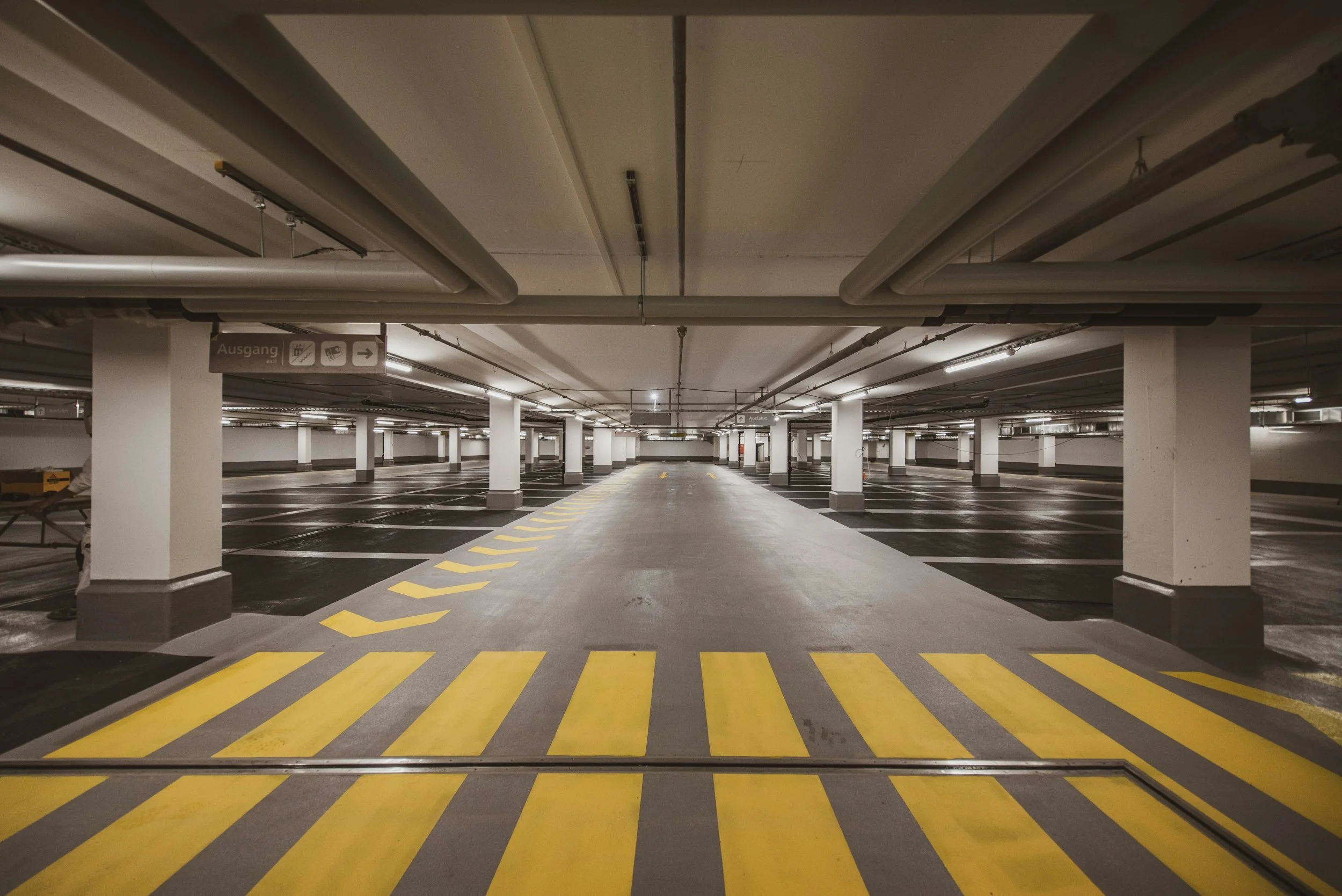
Thinking about beefing up security for your parking lot? It's a common question for businesses and property owners these days. Parking areas can unfortunately attract all sorts of trouble, from petty theft to more serious incidents. You might be wondering if those cameras are really worth the money, or if they're just a fancy way to watch things happen after the fact. Let's break down what modern business surveillance systems can actually do for your parking lot.
Key Takeaways
Parking lot security cameras are a smart investment, acting as a strong deterrent against crime and helping to reduce incidents like theft and vandalism.
Modern business surveillance systems offer clear footage, even at night, and features like motion detection and remote monitoring mean you can react quickly to potential problems.
Visible cameras create a 'halo effect,' making criminals think twice before acting, and research shows they can significantly cut down on crime in monitored areas.
Beyond just deterring crime, these systems provide vital evidence for insurance claims and investigations, and can even help manage traffic flow and improve the user experience.
While there's an upfront cost, the long-term savings from prevented losses, reduced liability, and potential insurance benefits often make business surveillance systems a cost-effective solution.
Understanding The Value Of Business Surveillance Systems
Enhancing Safety For Employees And Customers
When you think about your parking lot, it's easy to just see a place to park cars. But it's also a space where your employees and customers spend time, sometimes when it's dark or quiet. Making sure this area feels safe is a big deal. Visible security cameras can really help people feel more at ease. Knowing that activity is being watched can make a big difference in how secure everyone feels walking to and from their cars. It's not just about stopping bad stuff from happening; it's also about creating a more welcoming environment.
Reducing Liability Through Clear Evidence
Accidents and incidents happen, unfortunately. Whether it's a fender bender, a minor theft, or something more serious, having clear video evidence can be a lifesaver for your business. Instead of relying on shaky memories or conflicting stories, you have actual footage that shows what went down. This can help sort out who was at fault, protect you from false claims, and speed up insurance processes. Having good quality video is like having an impartial witness that never forgets. It simplifies things when you need to prove what happened.
Improving Operational Efficiency And Traffic Flow
Surveillance systems aren't just for catching criminals. They can also give you a better look at how your parking lot is being used. You can see where traffic jams tend to happen, if people are parking in unauthorized spots, or if there are any areas that are consistently underutilized. This kind of information can help you make smarter decisions about lot layout, signage, or even staffing during busy periods. It's about using the technology to make your whole operation run a bit smoother.
Key Features Of Modern Business Surveillance Systems
Forget those old, grainy security cameras that just recorded everything. Today's business surveillance systems, like those from Alpha Video Surveillance, are way smarter. They're not just watching; they're actively analyzing what's happening in your parking lot.
Advanced Camera Technologies For Clear Footage
First off, picture quality is a big deal. You need cameras that can capture clear images, even when it's dark or raining. We're talking about high-resolution video, at least 1080p, but 4K is really the way to go if you need to make out faces or read license plates from a distance. Night vision is also a must-have; look for systems with infrared that can see at least 100 feet. And don't forget about the weather. Cameras need to be tough. Look for ratings like IP66 or IP67 to make sure they can handle rain, dust, and whatever else Mother Nature throws at them. Some cameras even have vandal-resistant housings, which is smart because, unfortunately, cameras can sometimes be targets themselves.
Smart Placement And Motion Detection Capabilities
It's not just about having cameras; it's about having them in the right spots and making sure they're smart about what they detect. Modern systems use AI to tell the difference between a person, a car, or even just a blowing trash bag. This means fewer annoying false alarms. You can set up virtual boundaries, too. If someone steps where they shouldn't after hours, the system can trigger an alert. Some systems even have two-way audio or talk-down speakers, so security can communicate directly with people in the lot if something looks off. This active monitoring and intelligent detection is what really sets modern systems apart.
Remote Monitoring And Real-Time Alerts
What good is a camera if you can't see what it's seeing when you're not there? Modern business surveillance systems let you monitor feeds from anywhere, usually through an app on your phone or a web browser. When something suspicious happens, you get an instant alert with a snapshot or video clip. This means you can assess the situation right away and decide if you need to call for help. It's like having a security guard watching over your property 24/7, but without the constant cost. These systems can also store footage both locally and in the cloud, so even if someone tries to steal the recording equipment, your evidence is still safe.
The Deterrent Effect Of Visible Security Measures
So, do those cameras actually stop bad stuff from happening in your parking lot? The short answer is: yes, they really can. It's not just about catching someone after the fact; the mere sight of a camera can make a potential troublemaker think twice. It’s like putting up a sign that says, "We're watching." This psychological nudge is a big part of why visible security measures work.
The 'Halo Effect' Of Visible Cameras
When people see cameras, they often feel a general sense of security, not just in the immediate vicinity of the camera, but across the entire area. This is sometimes called the 'halo effect.' It suggests that visible surveillance can create a broader atmosphere of safety, making your parking lot a less attractive target for petty crime and vandalism. It’s a simple visual cue that communicates a commitment to security.
Crime Reduction Statistics In Monitored Areas
Studies have shown some pretty impressive numbers when it comes to cameras and crime. While results can vary, many reports indicate a significant drop in incidents. For example, some analyses suggest crime can decrease by as much as 51% in areas with visible surveillance. Even a modest reduction in vehicle break-ins or vandalism can make a big difference.
Here's a look at what some studies have indicated:
Vehicle Break-ins: Reports often show a decrease of 20-30% in monitored lots compared to unmonitored ones.
Vandalism: Incidents like graffiti or damage to vehicles can see reductions of 15-25%.
Assaults/Robberies: While less common, the presence of visible cameras can also deter more serious crimes, with some areas reporting drops of 10-20%.
The idea is that if someone is planning to cause trouble, seeing a camera makes them realize they're much more likely to get caught. This simple awareness can be enough to make them move on to an easier target, or better yet, not commit the act at all.
Visible Systems As A Proactive Security Solution
Think of visible cameras as a proactive step, not just a reactive one. Instead of waiting for something to happen and then trying to figure out who did it, you're actively working to prevent incidents from occurring in the first place. This approach is often more effective and can save a lot of hassle down the line. It's about being one step ahead, using technology to create a safer environment before problems even arise.
Real-World Impact Of Parking Lot Surveillance
Success Stories In Retail And Office Environments
So, do parking lot security cameras actually make a difference? The short answer is a resounding yes. Think about a busy shopping mall or a sprawling office park. These places can feel a bit exposed, right? Well, businesses that have put up visible parking lot security cameras often see a noticeable drop in trouble. For instance, some retail centers have reported vehicle break-ins going down by as much as 25% after installing these systems. It's not just about catching bad guys; it's about making sure they don't even try in the first place. For office parks, managers mention fewer issues with unauthorized access and vandalism. It seems like just seeing the cameras makes people think twice about messing around.
Benefits For Residential Complexes
It's not just businesses that benefit. People living in apartment buildings or condo complexes also feel a lot safer when their parking areas are watched over. When residents know there are parking lot security cameras in place, they tend to feel more secure about their vehicles and their personal safety. This often leads to fewer insurance claims for minor car damage, sometimes by nearly 20%. It gives people peace of mind, which is pretty important when you're just trying to get home after a long day.
Quantifiable Improvements In Safety And Security
Let's look at some numbers. Studies have shown that visible security cameras can lead to significant crime reduction. One interesting finding suggests that combining cameras with better lighting and occasional patrols can cut down crime rates by up to 53%. That's a huge chunk of potential incidents avoided. When something does happen, the footage from parking lot security cameras is invaluable. It helps identify suspects, track their movements, and makes insurance claims much smoother. Some systems even have license plate recognition (LPR), which can quickly flag suspicious or stolen vehicles, allowing for a faster response.
The presence of visible parking lot security cameras acts as a powerful psychological deterrent. Potential offenders are more likely to reconsider their actions when they know they are being recorded, leading to a proactive reduction in criminal activity before it even occurs.
Here's a quick look at how different types of locations have seen improvements:
Retail Centers: Reduced vehicle theft and vandalism, leading to a better shopping experience.
Office Buildings: Fewer incidents of unauthorized access, property damage, and improved employee safety.
Residential Areas: Increased resident safety and peace of mind, with a decrease in minor property damage claims.
Public Garages: Better overall security, deterring loitering and more serious crimes.
Cost-Effectiveness And Return On Investment
So, you're wondering if shelling out for parking lot cameras is actually worth the money. It's a fair question, right? When you look at the price tag for equipment and installation, it can seem like a big chunk of change. But let's break down what you get for that investment.
Comparing Camera Costs To Security Guards
Think about hiring security guards. They're great for active patrols and immediate responses, but they come with a hefty, ongoing payroll. Cameras, on the other hand, are a one-time equipment purchase, plus installation and some maintenance. While guards might cost you tens of thousands per year, a good camera system can often pay for itself within a couple of years through prevented losses.
Here's a rough idea of what you might be looking at:
| Service/Item | Estimated Cost Range (Annual) | Notes |
|---|---|---|
| Security Guard | $40,000 - $80,000+ | Full-time, depending on number and hours |
| Camera System (Initial) | $2,000 - $10,000+ | Varies greatly by size and features |
| System Maintenance | $200 - $1,000+ | Software updates, occasional repairs |
| Professional Monitoring | $600 - $2,400+ | Optional, for 24/7 oversight |
Calculating The ROI Of Prevented Losses
This is where cameras really start to shine. Let's say a single car break-in costs a customer $500 in repairs and lost productivity. If your cameras prevent just a few of those incidents a year, they're already earning their keep. Then there are bigger issues, like vandalism or even more serious crimes. The cost of dealing with these—police reports, insurance claims, repairs, and the hit to your reputation—can add up fast. A well-placed camera system acts as a powerful deterrent, cutting down on these costly incidents significantly.
Consider these potential savings:
Reduced Theft: Fewer car break-ins, stolen vehicles, or stolen goods from cars.
Lower Vandalism Costs: Discouraging damage to property or vehicles.
Liability Protection: Clear video evidence can disprove false claims (like slip-and-falls) or help settle legitimate ones faster, potentially saving you thousands in legal fees and payouts.
Insurance Premium Reductions: Many insurers offer discounts for properties with robust surveillance systems.
The real financial magic happens when you start preventing losses. Consider that a single catalytic converter theft can cost over $3,000 in repairs and lost productivity. Prevent just a handful of these incidents, and your system has essentially paid for itself. Even more significant are liability claims—parking lot slip-and-fall claims average $30,000-$50,000 each. Having clear video evidence can completely disprove fraudulent claims and reduce legitimate claim costs by documenting exactly what happened.
Long-Term Value Of Quality Business Surveillance Systems
When you buy a camera system, you're not just buying a piece of tech for today. You're investing in security for the next five, maybe even ten years, with proper care. This means spreading that initial cost over a long period. Plus, as technology improves, you can often upgrade components without replacing the entire setup. It’s about building a reliable security foundation that keeps giving back by keeping your property and people safer, year after year. It's not just about avoiding bad stuff; it's about creating a more secure and predictable environment for everyone.
Best Practices For Implementing Surveillance
So, you've decided to get some cameras for your parking lot. That's a smart move. But just slapping cameras up anywhere isn't going to cut it. You need a plan. Think of it like setting up a good alarm system for your house – placement and knowing how it works are key.
Integrating Cameras With Other Security Measures
Cameras are great, but they work best when they're part of a bigger security picture. Relying on cameras alone is like having a lock on your door but leaving the windows wide open. You need to combine them with other things to really make your parking lot a tough target for troublemakers.
Lighting is your best friend: Make sure your parking lot is well-lit, especially at night. Cameras need light to see clearly. Poorly lit areas are just invitations for crime.
Clear Signage: Let people know they're being watched. Simple signs saying "Area Under Video Surveillance" can make a big difference. It's a heads-up that actions are being recorded.
Access Control: For certain areas, like employee-only lots or gates, consider adding access control systems. This adds another layer of security that cameras can monitor.
Regular Patrols: If you have security personnel, make sure they patrol the parking lot regularly. Cameras can help them cover more ground and respond faster, but a physical presence is still important.
Addressing Potential Blind Spots and Privacy Concerns
Nobody wants cameras watching their every move unnecessarily, and you don't want gaps in your coverage either. It's a balancing act.
Strategic Placement: Mount cameras high up, around 20-30 feet, to get a wide view and keep them out of reach. Make sure each camera's view overlaps with its neighbors. This way, there are no hidden spots where someone could cause trouble.
Focus on Key Areas: Pay extra attention to entrances, exits, pedestrian walkways, and areas where cars are parked. These are the spots where most incidents happen.
Privacy Zones: Be mindful of private areas. Don't point cameras directly into office windows or private residential spaces if you can avoid it. Clearly mark where cameras are located.
Legal Compliance: Familiarize yourself with local laws regarding video surveillance and privacy. What's allowed in one place might not be in another. Always post visible signage informing individuals that they are being recorded.
Ensuring Footage Reliability and Accessibility
What good are cameras if the footage is blurry, missing, or you can't get to it when you need it? That's a real headache.
Regular Maintenance: Clean camera lenses quarterly, or more often if you're in a dusty area. Dust and grime are the silent killers of good video quality.
Firmware Updates: Keep your camera software up-to-date. Manufacturers release updates that fix bugs, improve performance, and patch security holes. It’s like giving your system a free tune-up.
Storage Checks: Make sure your recording system is actually saving footage for the amount of time you need it. Nothing's worse than checking recordings and finding out the system stopped working days ago.
Test Backup Power: If your system has battery backup or is solar-powered, test it regularly to make sure it works when the main power goes out.
Remote Access: Set up your system so you can view live feeds or recordings remotely. This way, you can check on things from your phone or computer, no matter where you are.
A well-maintained camera system is like a vigilant security guard who never takes a break. Neglecting it, however, means you might miss something important when you least expect it. Simple, regular checks can prevent most common issues.
Frequently Asked Questions
How do parking lot cameras help keep people safe?
Parking lot cameras are like watchful eyes that help prevent bad things from happening. When people know they might be seen, they're less likely to do something wrong, like steal a car or cause trouble. If something does happen, the cameras record it, which helps police figure out what went on and catch the person responsible. This makes everyone feel safer, from shoppers to employees.
Are security cameras really cheaper than hiring guards?
Yes, in the long run, cameras are usually a lot cheaper. Hiring a security guard 24/7 can cost tens of thousands of dollars every year. Cameras have an upfront cost, but they work all the time without needing breaks or getting paid overtime. Plus, they can cover a large area, so you often need fewer cameras than guards to watch the same space.
What if a crime happens at night or in bad weather?
Modern cameras are pretty amazing! Many have special features like night vision (using infrared light) so they can see clearly even when it's pitch black. Others are built tough to handle rain, snow, and extreme temperatures. Good lighting in the parking lot also helps cameras capture better pictures, making them useful no matter the time of day or weather.
Can cameras actually stop crimes before they happen?
Absolutely! Just having visible cameras can make criminals think twice. It's like a warning sign that says 'you might get caught.' This is called the 'deterrent effect.' Studies show that areas with security cameras often have much less crime. So, cameras don't just record what happens; they help prevent it from happening in the first place.
What happens if there's an accident or someone gets hurt?
If there's a car accident, a slip-and-fall, or any kind of incident, the camera footage is super important. It provides clear proof of exactly what happened. This can help settle insurance claims faster and more fairly. It also protects the property owner by showing what really occurred, which can prevent fake claims from costing a lot of money.
How many cameras do I need to cover my parking lot?
The number of cameras you need really depends on the size and layout of your parking lot. You'll want to cover all the entrances, exits, and main driving areas. It's also smart to place cameras where people park their cars, especially in spots that might be a bit hidden. Experts can help you figure out the best spots to make sure there aren't any 'blind spots' where criminals could hide.