
8 Benefits of Camp Physicals for Better Child Care
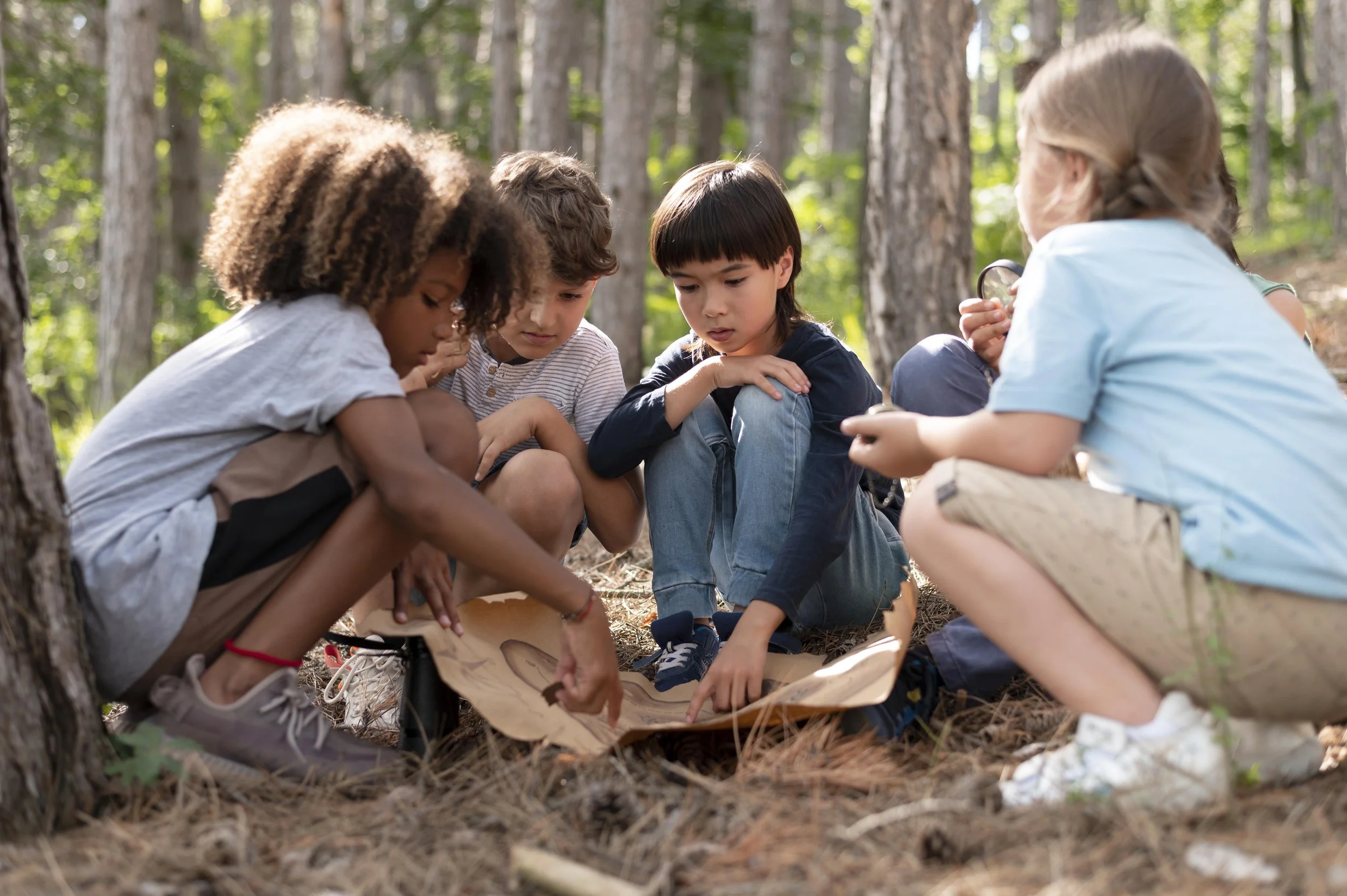
Most sports or summer camps require a recent physical exam from a doctor. It shows them their medical status and history for better health management during the camp. So, getting your child ready for camp starts long before the day arrives.
Camps naturally involve physical activities, group interactions, and staying outdoors. All these increase the risks of infections and injuries, so camp physicals are critical. A thorough camp physical assessment goes deeper than checking overall fitness.
That ensures that they are not exposed to unnecessary risk in such demanding settings. In camps, health matters like injuries or allergies can escalate quickly, especially if there are unknown pre-existing conditions. So, preparation and documentation lay the right foundation — it puts caregivers, healthcare providers, and camp staff on the same page.
When done right, you get valuable health insights that are useful beyond camping — they directly enhance the quality of care. What are these benefits? Let's explore.
1. Early Identification of Underlying Health Issues
A major benefit of a camp physical is that it identifies problems that otherwise would not be discovered. Children often adapt easily to minor discomfort, which makes it hard for parents to catch issues like respiratory diseases or musculoskeletal imbalances early.
Thorough Camp Physicals shed light on the health status. Observing key signs and analyzing growth metrics against healthy patterns allows identification of anomalies.
Early diagnosis is especially useful before the child is subjected to a physically straining environment. Addressing the issue reduces the chances of complications at the camp, where access to immediate specialized care is not guaranteed.
2. Thorough Medical History Review
A camp physical might seem like a one-off checkbox. Well, it's not. It builds on the child’s past medical records and helps enhance protection in the future.
During the doctor’s visit, they review past injuries, chronic conditions, allergies, and treatments. This is not just for documentation but to ensure no issue goes unchecked. It’s easy to think that a condition they are under medication for is not something to worry about, but that’s not always the case.
For conditions like asthma, environmental changes can trigger reactions even when it’s well-managed. So, it still needs to be clearly evaluated and documented. The same applies to food allergies or old orthopedic injuries that could flare up under new physical demands.
Such a comprehensive review shifts the approach from reactive to proactive. And that reduces the chances of emergencies once the child is in the camp.
3. Checks Immunizations and Infection Control
When groups of children spend long days together, germs, infections, and diseases spread fast. So, immunization checks are more than just about ticking boxes on a form. A proper camp physical ensures that vaccinations are actually up to date. If not, proper care is taken.
Once you place children in shared cabins, dining areas, and activity groups, even a single gap in immunization is risky, given how easily outbreaks can spread in camps.
4. Physical Readiness for Camp Activities
Camps aren’t slow-paced like home environments. There are lots of activities happening, from hiking to swimming, and sometimes being physically active is the whole point of camps.
A camp physical is a standard requirement in most camps for these reasons. It shows the level of activity your child can handle without straining. That’s why the assessment is comprehensive; it checks heart health, joint stability, strength, and endurance.
If there are past injuries not fully healed or mild imbalances, the camp staff will slow things down to avoid strain. Basic health checks can easily miss such important details until the problem shows up at the camp.
5. Organized Management of Allergies and Drugs
When it comes to allergies and medications, precision in response matters. But that can’t happen if caregivers who are not familiar with your child are in charge. Documentation allows them to prepare.
Camp physicals clearly document details — triggers, severity levels, and medication dosages guidelines. This way, the caregivers know what needs to happen if something goes wrong. Wth issues like allergies that can escalate fast, clarity is important.
6. Decreased Risk of Injury and Emergency
When you take your child for a physical, the doctor looks for anything that could increase risk. That includes physical limitations and pre-existing conditions or triggers at the camp. Then they suggest safe practices, such as skipping certain activities for kids with joint instability.
7. Enhanced Coordination Among Partners
In a camp where you might not always be available, prior communication with relevant documents is critical. It leaves the camp staff with important health information they need to make informed decisions. Whether it’s special dietary needs, medication schedules, or handling specific medical conditions, they know what to do. It reduces mistakes, especially in high-stakes situations where a quick, correct response is needed.
8. Boosts Confidence
Beyond the medical, proper health checks give you peace of mind. As a parent, you naturally want to be reassured that your child is safe when away from your care. With proper evaluation, worries hardly stop. For the kids, that confidence comes in handy at camp, improving how they participate.
Conclusion
Camp physicals aren't just another box to tick, another form to complete before the real experience begins. Beyond the paperwork, it offers a structured way to protect your child. So, it's less about compliance and more about preparation.
Through the assessment, you confirm your child is mentally and physically fit for the camp. The records help align caregivers, camp staff, and medical guidance. This eliminates confusion and helps prevent problems from worsening.
When handled with the attention they deserve, by doing it early and using reputable healthcare, your child's safety improves. And with that, you enjoy peace of mind at home, as they build exciting and memorable experiences at the camp.
